
June 11, 2026
Why Counselling Matters for Children and Young People: A Guide for Parents, Teachers, and Youth
In today’s fast-paced and often overwhelming world, children and young people face a wide range of emotional, social, and academic pressures. From navigating friendships and family dynamics to coping with anxiety, trauma, or identity struggles, young people need safe spaces to explore their feelings and build resilience. That’s where counselling comes in.
What Is Counselling for Young People?
Counselling provides a confidential, supportive environment where children and young people can talk about their thoughts, feelings, and experiences with a trained professional. It’s not about giving advice or fixing problems—it’s about helping them understand themselves better and develop healthy coping strategies.
Counselling can take many forms, including:
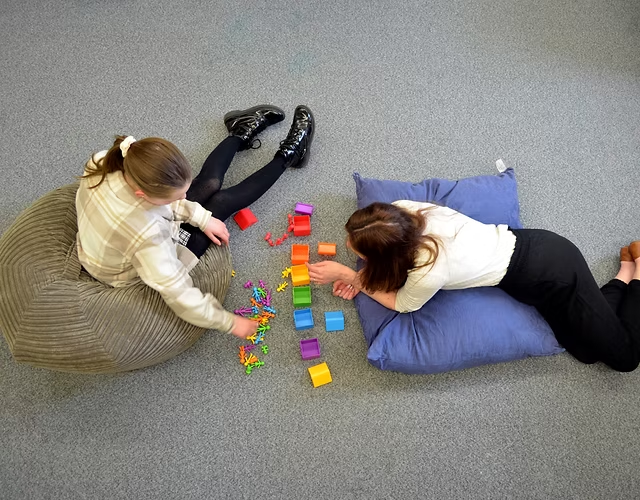
- Play therapy for younger children
- Talking therapy for teens
- Creative approaches like art, music, or drama therapy
Why It’s Important
Mental health challenges can affect anyone, regardless of age. According to the NHS, one in six children aged 5 to 16 were identified as having a probable mental health disorder in recent years. Early support can make a huge difference in a young person’s life, helping them:
- Build self-esteem and confidence
- Improve relationships with peers and family
- Manage emotions like anger, sadness, or anxiety
- Cope with life changes such as divorce, bereavement, or school transitions
How Parents and Teachers Can Help
Adults play a crucial role in supporting young people’s mental health. Here’s how you can help:
- Listen without judgment: Sometimes, just being heard can be incredibly healing.
- Notice changes: Withdrawal, mood swings, or changes in sleep or appetite can be signs a child is struggling.
- Encourage open conversations: Normalise talking about feelings and mental health.
- Seek professional help when needed: If concerns persist, don’t hesitate to reach out to a school counsellor, GP, or mental health service.
Empowering Young People
If you’re a young person reading this: know that it’s okay to ask for help. Talking to a counsellor doesn’t mean something is “wrong” with you—it means you’re taking care of your mental health, just like you would your physical health. You deserve to feel heard, understood, and supported.
Final Thoughts
Counselling is not a last resort—it’s a proactive, empowering step toward emotional well-being. Whether you’re a parent, teacher, or young person, understanding the value of mental health support can create a more compassionate, resilient community.
If you or your child feel that you would benefit from accessing counselling, please fill out our online referral form or contact us here:
Email: mhsupport@ncnw.co.uk
Phone: 0151 345 6454

Stories of Impact, Straight to Your Inbox.
Join our newsletter for updates on our work, success stories from our community, and ways you can get involved.