
June 11, 2026
Understanding HIV and AIDS: Support, Mental Health, and the Power of Talking

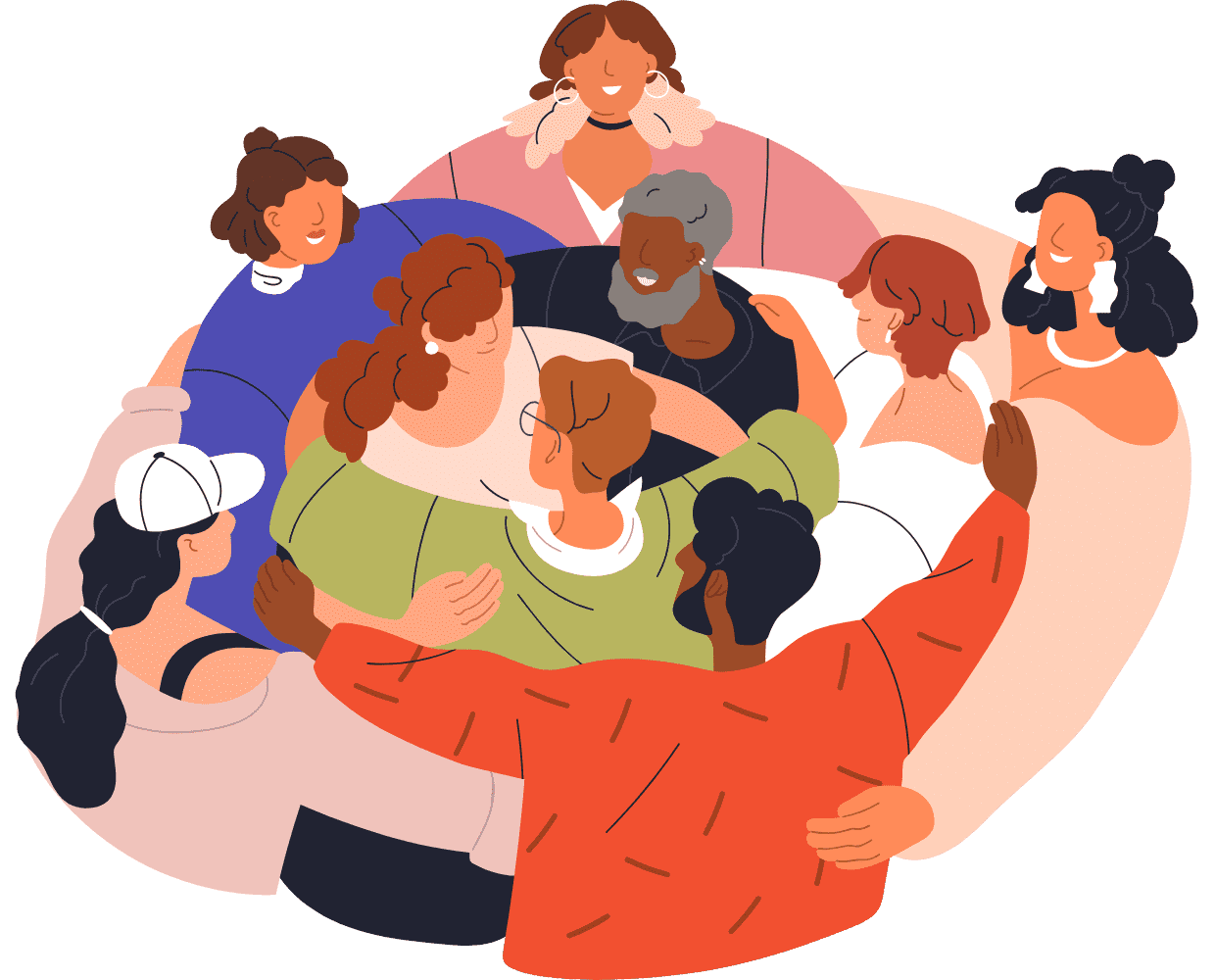
HIV and AIDS are more than just medical terms—they are life experiences that can affect every part of a person’s wellbeing. From the physical and emotional impact to the social and mental health challenges, it’s important to know that you are not alone, and support is available.
This blog explores what HIV and AIDS really are, how they affect mental health, and why talking about it especially in counselling can make a big difference.
What Is HIV? What Is AIDS?
- HIV (Human Immunodeficiency Virus) is a virus that attacks the body’s immune system, making it harder to fight infections.
- AIDS (Acquired Immune Deficiency Syndrome) is the most advanced stage of HIV, where the immune system becomes severely weakened.
The Good News:
With modern treatments (like antiretroviral therapy or ART), people living with HIV can live long, healthy lives. HIV is not a death sentence it is a manageable condition.
How Is HIV Transmitted?
HIV can be passed through:
- Unprotected sex
- Sharing needles or syringes
- Blood transfusions (in rare cases)
- From parent to baby during childbirth or breastfeeding (if untreated)
HIV cannot be spread through hugging, kissing, sharing food, or using the same toilet.
What Support Is Available for People Living with HIV/AIDS?
Living with HIV comes with challenges, but there’s a wide range of supportive services available:
Medical Support
- Access to HIV specialists and medications (like ART)
- Regular check-ups to monitor health
- Free or low-cost treatment in many countries
Community and Peer Support
- HIV support groups
- LGBTQ+ organizations offering safe spaces
- Peer mentors who have lived experience with HIV
Mental Health and Emotional Support
- Counsellors and therapists trained in HIV-related issues
- Helplines and crisis services
- Support for dealing with stigma, anxiety, or depression
The Link Between HIV and Mental Health
Being diagnosed with HIV can bring a wave of emotions: shock, fear, anger, sadness, or even shame. Many people experience:
- Anxiety about the future, relationships, or health
- Depression or feelings of hopelessness
- Stigma and isolation—especially if they’re afraid to tell others
- Fear of rejection in dating, family, or social circles
These feelings are completely normal—but they don’t have to be faced alone.
Do You Need to Talk About It? How Counselling Can Help
The simple answer is: If you want to talk, you deserve a space to do so.
Counselling can help you:
- Process your diagnosis and emotions in a safe, confidential space
- Build self-confidence and reduce internalised stigma
- Learn coping strategies for stress, relationships, and everyday life
- Navigate telling others (if you choose to)
- Reconnect with your goals, identity, and self-worth
You don’t have to be in crisis to seek support. Counselling can be a space to feel heard, supported, and empowered.
What If I’m Not Ready to Talk?
That’s okay too. Everyone processes things at their own pace.
You might ask yourself:
- “Would it help to speak to someone who won’t judge me?”
- “Am I carrying emotions I haven’t been able to share?”
- “What would it feel like to say things out loud in a safe space?”
Even one session can make a difference. There’s no pressure, no timeline, and no “right” way to feel.
If you feel you would like some support, please fill out our online referral form or contact us here:
Email: mhsupport@ncnw.co.uk
Phone: 0151 345 6454

Stories of Impact, Straight to Your Inbox.
Join our newsletter for updates on our work, success stories from our community, and ways you can get involved.