
June 12, 2026
Mental Health and Neurodiversity: Supporting Autistic and ADHD Children
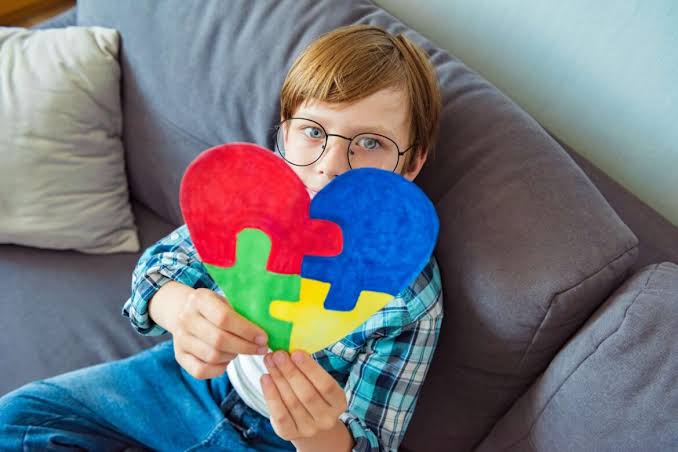
In recent years, awareness of neurodiversity has grown significantly. More families, schools, and mental health professionals are recognising that children with conditions like Autism Spectrum Disorder (ASD) and Attention Deficit Hyperactivity Disorder (ADHD) experience the world in fundamentally different—but equally valid—ways.
Although neurodivergence is not a mental illness, neurodivergent children experience mental health challenges at much higher rates—up to 70% face co-occurring mental health conditions like anxiety or depression. Understanding this overlap is key to timely, appropriate support.
Source: National Autistic Society (2021). Mental Health and Autism.
https://www.autism.org.uk/advice-and-guidance/topics/mental-health
NHS Digital (2018). Mental Health of Children and Young People in England.
https://digital.nhs.uk/data-and-information/publications/statistical/mental-health-of-children-and-young-people-in-england/2017
What Is Neurodiversity?
Neurodiversity is the concept that neurological differences—such as autism, ADHD, dyslexia, and others—are natural variations of the human brain. These differences affect how individuals think, learn, process information, and interact with the world.
Rather than viewing these conditions as deficits, the neurodiversity movement encourages us to see them as diverse ways of being, each with its own strengths and challenges.
Why Are Neurodivergent Children More Vulnerable to Mental Health Issues?
Studies consistently find that neurodivergent children—such as those with autism or ADHD—are more likely to experience mental health conditions like anxiety, depression, OCD behaviours, emotional dysregulation, and low self-esteem.
This heightened vulnerability often arises not from the neurodivergence itself, but from external stressors, such as sensory overload, social isolation, bullying, and pressure to mask their traits.
Example Study
- A 2019 study published in The Lancet Psychiatry analysed over 6,000 autistic children and found that 70% experienced co-occurring mental health conditions, primarily anxiety and depression. It highlighted that social exclusion and sensory challenges significantly contributed to this risk.
Source: Lever & Geurts, 2019, The Lancet Psychiatry doi:10.1016/S2215-0366(18)30421-0)
Recognising Mental Health Struggles in Neurodivergent Children
Mental health symptoms can present differently in neurodivergent children and are often misinterpreted as behavioural problems or dismissed as “just part of their condition.”
Here are some signs that may indicate a child is struggling emotionally:
For Autistic Children:
- Increased meltdowns or shutdowns
- Withdrawal from previously enjoyed activities
- Heightened rigidity or resistance to change
- Repetitive behaviours becoming more intense
- Difficulty sleeping or changes in appetite
- Expressing feelings of being “different” or “broken”
For Children with ADHD:
- Escalating impulsivity or risk-taking
- Persistent frustration or emotional outbursts
- Difficulty with self-regulation and coping with stress
- Low motivation or academic burnout
- Social rejection or isolation
- Expressions of worthlessness or self-criticism
Strategies for Supporting Mental Health in Neurodivergent Children
1. Create Predictable, Low-Stress Environments
- Use visual schedules, timers, and clear routines
- Minimise sensory triggers (e.g. noise, bright lights)
- Offer calm-down spaces or sensory-friendly zones
2. Support Emotional Literacy
- Teach children to identify and name emotions
- Use tools like emotion wheels, social stories, or mood journals
- Practice co-regulation—helping them calm down by staying calm yourself
3. Celebrate Strengths and Interests
- Encourage special interests as a source of joy and confidence
- Highlight their unique talents and contributions
- Avoid focusing solely on what they “struggle” with
4. Foster Safe, Supportive Relationships
- Build trust through consistent, non-judgmental communication
- Encourage peer mentoring or social skills groups
- Help them find like-minded communities (e.g. neurodivergent youth groups)
5. Collaborate with Schools and Professionals
- Ensure access to Special Educational Needs (SEN) support; Education, Health, and Care Plans (EHCPs); or that reasonable adjustments are made
- Work with educational psychologists, occupational therapists, or speech and language therapists
- Advocate for inclusive teaching practices and mental health training for staff
The Data Behind the Concern
- Around 70% of autistic children have at least one co-occurring mental health condition.
Source: Lever & Geurts (2016), The Lancet Psychiatry
https://doi.org/10.1016/S2215-0366(18)30421-0
- Children with ADHD are three times more likely to experience anxiety or depression than their neurotypical peers.
Source: National Institute of Mental Health (NIMH), 2022https://www.nimh.nih.gov/health/statistics/attention-deficit-hyperactivity-disorder-adhd
- Many neurodivergent children face long delays in diagnosis, with some waiting years for assessments and support.
Source: National Autistic Society (UK), 2021
https://www.autism.org.uk/advice-and-guidance/topics/diagnosis/delays-in-diagnosis
- Masking—the act of hiding neurodivergent traits to fit in—has been linked to increased anxiety, burnout, and suicidal ideation, especially in autistic girls.
Source: Hull et al. (2017), Autism in Adulthood
https://doi.org/10.1089/aut.2016.0010
The Importance of Early, Affirming Support
Early intervention is key—but so is affirmation. Neurodivergent children need to know that they are not broken, and that their differences are valid and valuable.
Mental health support should be tailored, trauma-informed, and neurodiversity-affirming. This means:
- Avoiding therapies that aim to “normalise” behaviour
- Focusing on self-understanding, coping strategies, and self-advocacy
- Involving the child in decisions about their care and support
Final Thoughts
Supporting the mental health of neurodivergent children is not just about managing symptoms- it’s about creating a world where they can thrive. This means listening to their voices, respecting their needs, and building systems that embrace differences rather than supress it.
When we shift from “fixing” to empowering, we open the door to a future where every child- regardless of how their brain works- can feel safe, seen, and supported.
If you or someone you know needs support with their mental health, please fill out our online referral form or contact us here to learn more or book a session:
Email: mhsupport@ncnw.co.uk
Phone: 0151 345 6454

Stories of Impact, Straight to Your Inbox.
Join our newsletter for updates on our work, success stories from our community, and ways you can get involved.