June 12, 2026
Understanding Ketamine: Effects, Risks & How We Can Support Users
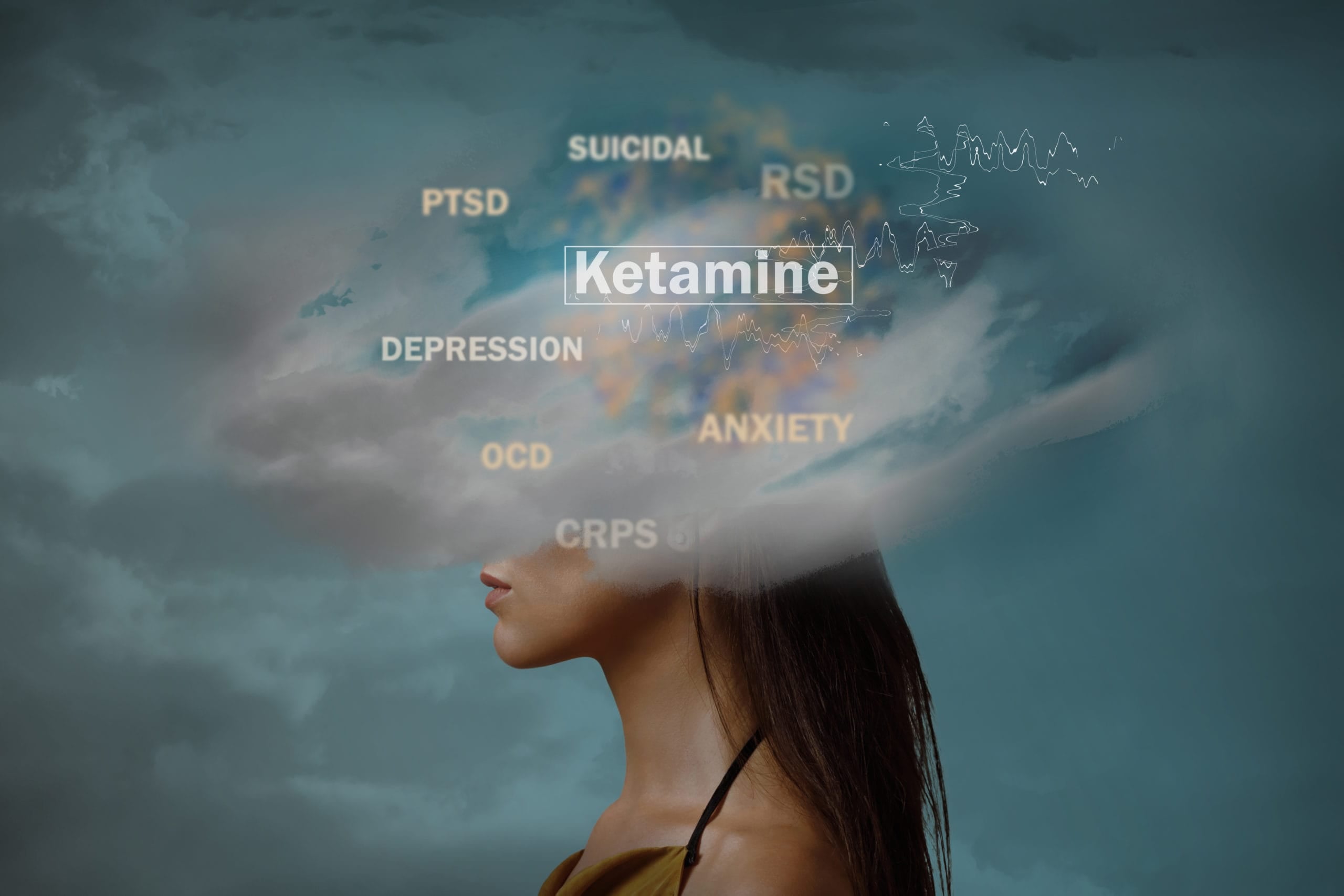
In recent years, ketamine has gained attention for both its medical use and its growing popularity as a recreational drug. But what exactly is ketamine, how does it affect the body, and how can we support people who use it whether casually, frequently, or problematically?
Let’s break it down with facts, compassion, and a focus on harm reduction.
What Is Ketamine?
Ketamine is a powerful dissociative anesthetic. It was originally developed in the 1960s for use in medical and veterinary surgeries. Today, it’s used in:
- Human anesthesia
- Pain management
- Emergency medicine
- Mental health treatment, particularly for treatment-resistant depression (in low doses)
Outside of medical settings, ketamine is also used recreationally, often at parties, clubs, or festivals commonly referred to as “K,” “Special K,” or “KitKat.”
How Does Ketamine Affect the Body and Mind?
Ketamine works by interacting with glutamate receptors in the brain, affecting mood, memory, and perception.
Short-Term Effects:
- Euphoria or relaxation
- Visual or sensory distortions
- Feelings of detachment from reality or the body (dissociation)
- Slurred speech or slow movement
- Confusion or memory loss
- Nausea or vomiting
At higher doses, it can induce a “K-hole” a state of extreme dissociation that can feel dreamlike or even terrifying.
Long-Term Effects:
- Urinary and Bladder Problems
- Ketamine-induced cystitis (bladder inflammation)
- Bladder shrinkage or ulceration
- Kidney damage
- Increased anxiety
- Depression or mood instability
- Dissociation and detachment from reality
- Paranoia or psychosis-like symptoms in extreme or high-dose users
- Psychological dependence
- Neglect of responsibilities (work, education, relationships)
- Financial strain
- Isolation or social withdrawal
Physical Risks:
- Increased heart rate and blood pressure
- Muscle rigidity or lack of coordination
- Bladder and urinary tract damage with long-term use (known as ketamine-induced cystitis)
- Potential for overdose or injury due to disorientation
Mental Health Risks:
- Confusion, paranoia, or hallucinations
- Memory issues and concentration difficulties
- Dependence or frequent use to escape emotional discomfort
Signs Someone Might Be Using Ketamine Frequently
- Withdrawing from friends or usual activities
- Changes in mood, energy, or focus
- Unexplained bladder or urinary issues
- Frequent confusion or memory lapses
- Carrying white powder, capsules, or vials
- Using alone or in risky settings (e.g. unsafe places or with strangers)
Ketamine Use: Key Statistics
- 1 in 100 people aged 16–59 in England and Wales reported ketamine use in the past year (2023).
- Hospital admissions related to ketamine use have doubled in the last five years in the UK.
- Among younger people (ages 16–24), ketamine is now one of the top 5 most used illicit drugs.
- In controlled settings, low-dose ketamine therapy has shown promise for reducing severe depression and suicidal thoughts within hours.
Source: UK Home Office Drug Misuse Report, 2023, Office for National Statistics & National Institute of Mental Health, 2022
Questions to Reflect On
If you or someone you care about is using ketamine—whether occasionally, frequently, or somewhere in between—it can be helpful to pause and ask a few gentle, judgment-free questions:
- How is ketamine fitting into your life right now?
Is it helping in some ways, or starting to cause problems? - Do you feel in control of your use, or is it starting to feel like a habit?
Are you using it to cope with stress, boredom, pain, or emotions? - Has anyone close to you expressed concern?
Sometimes, others can notice things we may not see ourselves. - How are your body and mind feeling lately?
Have you noticed any changes in memory, mood, bladder health, or energy levels? - What would support look like for you right now?
It’s okay to ask for help—even if you’re not ready to change anything yet.
These aren’t questions to judge or diagnose, but to reflect and open up space for honest thinking. Everyone’s relationship with substances is different, and there’s no shame in exploring yours.
Do You Know Where You Can Get Support?
We Are With You (formerly Addaction)
- Offers free, confidential support for drug, alcohol, and mental health issues. There’s a local service at Grangeway Youth & Community Centre, Runcorn (WA7 5HA).
Change, Grow, Live (CGL)
- A trusted charity offering key-work, counselling, outreach, mutual aid (e.g., NA, SMART Recovery), prescribing, and more across Cheshire.
NHS Substance Misuse Services
- Through Cheshire and Wirral Partnership NHS Foundation Trust (CWP), local substance misuse support (assessment, treatments, prescribing) is available. This is accessible via GP referral or by contacting local services directly.
Turning Point
- A regional provider near Cheshire offering treatment and recovery services. Contact details via regional listings.
Friendly Next Steps
If you’re feeling unsure about where to begin, here’s a gentle way forward:
- Reach out for a chat with We Are With You, CGL, or dial the Help 4 Addiction helpline for guidance on local options that fit your comfort level.
- Join a fellowship group—places like AA, NA, or SMART Recovery offer welcoming in-person support that can be a lifeline.
- Speak with your GP, who can refer you to NHS services or direct you to the best local path.
- Explore treatment options—if residential rehab seems right, facilities like Oasis Runcorn or Delamere provide structured and compassionate care.
If you feel you need some extra support or know anyone that might, please fill out our online referral form or contact us here:
Email: mhsupport@ncnw.co.uk
Phone: 0151 345 6454

Stories of Impact, Straight to Your Inbox.
Join our newsletter for updates on our work, success stories from our community, and ways you can get involved.