October 9, 2025
Top 10 Tips for dealing with Anxiety
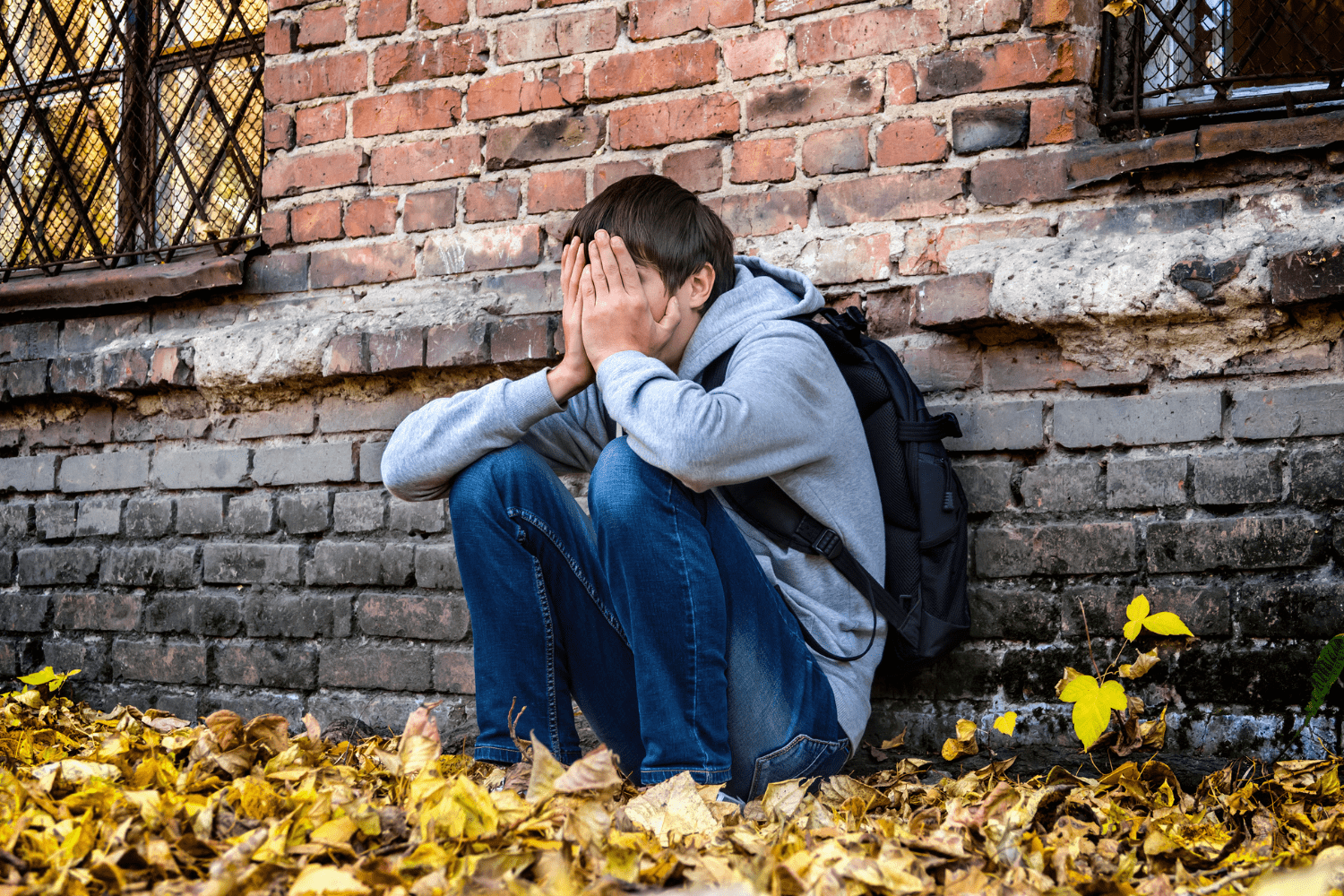
Let’s explore some practical strategies for managing anxiety. Anxiety affects us on multiple levels – emotionally, mentally, physically, and behaviourally. Understanding and addressing each of these aspects can be incredibly beneficial. There are techniques that can help us cope in the moment when anxiety strikes, as well as preventative strategies to reduce the likelihood of it developing in the first place. Both approaches are valuable tools in taking control of anxiety.
It’s helpful to practice these techniques even when you’re not feeling anxious. Think of them like a muscle, the more you use them, the stronger they become. Building this strength in calmer times makes it easier to rely on them when anxiety does arise.
Grounding Techniques
- Grounding can help bring our attention back to the present and prevent us from becoming overwhelmed by anxious thoughts and feelings. One widely used technique is the 5-4-3-2-1 method. This involves naming 5 things you can see, 4 things you can feel, 3 things you can hear, 2 things you can smell and 1 thing you can taste. You can do this exercise silently in your mind or out loud, either alone or with someone else. It’s a simple yet effective way to refocus your awareness and stay anchored until the anxiety begins to ease.
Breathing Techniques
- Focused breathing can help regulate the body’s stress response and ease the physical symptoms of anxiety. One effective method is box breathing, a technique also used to manage high-pressure situations. It follows a simple, steady rhythm. To start, inhale slowly to a count of 4, hold your breath for a count of 4, exhale slowly for 4 and hold again for 4. Each step forms one side of a “box,” which you can mentally visualize as you breathe. Repeat the cycle as needed to create a sense of calm and control.
Go for a Walk
- It might seem simple, but walking can be a highly effective way to manage anxiety, especially if it’s been triggered by a particular place or situation. Stepping outside, particularly into nature or green spaces, can offer both physical distance and mental relief. It also gives us a chance to reconnect with our bodies and become more aware of how anxiety is affecting us.
Write It Down
- Putting your thoughts on paper can help externalise and reduce the intensity of anxious feelings. Techniques like journaling or freewriting allow you to process what’s on your mind. Once written, you can choose what to do with those thoughts such as keep them, reflect on them, or even discard them. Helping you feel more in control.
Accepting the Anxiety
- While challenging, accepting anxiety can reduce its hold over us. Some anxiety is natural and even helpful. With practice, acknowledging it without resistance can lessen its impact. Try reframing anxious energy as excitement to shift your perspective.
Daily Practices: Ways of helping prevent the onset of anxiety and the reduction of frequent anxiety episodes.
Counselling and Psychotherapy – Working with a trained professional can help uncover the root causes of your anxiety, which may stem from underlying core beliefs outside of your conscious awareness. Therapy can also support you in identifying triggers and developing effective coping strategies, leading to a greater sense of calm and control.
Mindfulness – Helps us become more aware of the present moment, our thoughts, emotions, and physical sensations. Rooted in Eastern philosophy, it can be practiced through guided exercises or focused breathing. Regular practice can ground us and increase our awareness of rising anxiety.
Exercise – Beyond physical health, regular exercise is a powerful tool for reducing anxiety. Even a 10-minute walk can significantly ease symptoms comparable to a longer workout. Research shows that people who exercise regularly are 25% less likely to experience anxiety.
Diet and Lifestyle – Maintaining a healthy routine supports overall mental health, including anxiety management. Ensuring adequate sleep is crucial for preventing anxious feelings. Sleep quality is influenced by factors such as diet, hydration, stress levels, and physical activity.
Avoiding Alcohol, Caffeine, and Nicotine – These stimulants can trigger or worsen anxiety symptoms. Caffeine, for example, remains in the bloodstream for hours, so adjusting your intake may help manage anxiety. While alcohol and nicotine might offer temporary relief, they can reinforce safety behaviours—short-term coping mechanisms that ultimately make anxiety worse over time.
Conclusion
In conclusion, managing anxiety involves a combination of strategies that address both the immediate symptoms and long-term prevention. Whether through grounding techniques, breathing exercises, physical activity, or seeking professional support, each method helps us regain control and reduce the impact of anxiety. By adopting healthier habits and being mindful of triggers, we can create a balanced approach to better mental well-being.
If you suffer from anxiety and would like some support, please fill out our online referral form or contact us here:
Email: mhsupport@ncnw.co.uk
Phone: 0151 345 6454

Stories of Impact, Straight to Your Inbox.
Join our newsletter for updates on our work, success stories from our community, and ways you can get involved.