
June 11, 2026
Breaking the Silence: Men’s Mental Health in the UK
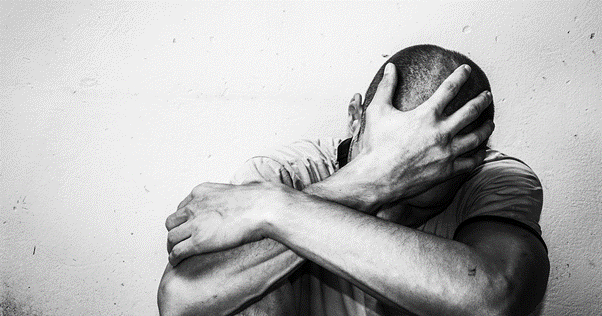
Mental health doesn’t discriminate, but conversations about it often do. In the UK, men are statistically less likely to seek help for mental health issues, despite facing significant challenges. According to the Mental Health Foundation, only 36% of referrals to NHS talking therapies are for men1. This silence can have devastating consequences. Suicide remains the single biggest killer of men under 50 in the UK, with three out of four suicides (75%) being male, according to the Office for National Statistics (ONS).
It’s time to open up the conversation and break down the stigma around men’s mental health. Encouraging open dialogue, providing accessible support, and challenging harmful gender norms are essential steps in creating a culture where seeking help is a sign of strength—not weakness.
Men’s Mental Health in the UK
In the UK, men often face distinct mental health challenges, many of which are influenced by long-standing social and cultural pressures around what it means to “be a man.” Expectations to stay strong, suppress emotions, and remain self-reliant can make it difficult for many men to open up about their mental health.
As a result, many men may:
- Keep their emotions bottled up
- Avoid talking about how they feel
- Delay or avoid seeking professional help
While this may seem like coping in the short term, staying silent can often make things worse over time.
The Reality Behind the Silence
- 3/4 suicides in the UK are men. According to theOffice for National Statistics (ONS), in the UK, around 75% of all suicides in 2022 were male.
- Men aged 40 to 49 have the highest suicide rates. Men in the 40 to 49 age group consistently have the highest suicide rate among all age groups.
- Men are significantly less likely to seek psychological support compared to women. Only36% of NHS talking therapy referrals in England are for men, despite men making up nearly half the population.
These figures highlight the urgent need to break the stigma around men’s mental health and create a culture where it’s okay to ask for help.
Common Signs of Mental Health Struggles in Men
Mental health issues can show up differently in men than in women. Some signs to look out for include:
Emotional & Mental Signs:
- Persistent low mood or sadness
- Feeling numb or disconnected
- Increased anger, irritability, or frustration
- Lack of motivation or interest in life
- Difficulty concentrating or making decisions
- Childhood experiences
Behavioural Changes:
- Withdrawing from friends and family
- Changes in eating or sleeping patterns
- Increased use of alcohol or drugs
- Taking risks or acting recklessly
- Talking about feeling hopeless or being a burden
How to Support Men on Their Mental Health Journey
- Listen without judgment – Let men talk without trying to “fix” them. Just being heard can be powerful.
- Encourage professional help – Therapy or counselling can help unpack childhood or traumatic experiences and build healthier coping strategies.
- Model openness – If you’re a parent or mentor, show that it’s okay to talk about feelings and mental health.
- Challenge harmful gender norms – Call out phrases or behaviours that shame men for expressing emotion.
Conclusion
Men’s mental health is a serious issue, but it’s one we can tackle together. Whether it’s through talking, listening, or simply being there, your support can save lives. The more we speak openly about men’s mental health, the more we build a culture were asking for help is seen as a strength, not a weakness.
Let’s keep the conversation going.
If you feel you need some extra support or know anyone that might, please fill out our online referral form or contact us here:
Email: mhsupport@ncnw.co.uk
Phone: 0151 345 6454

Stories of Impact, Straight to Your Inbox.
Join our newsletter for updates on our work, success stories from our community, and ways you can get involved.