June 26, 2026
PTSD & Complex PTSD
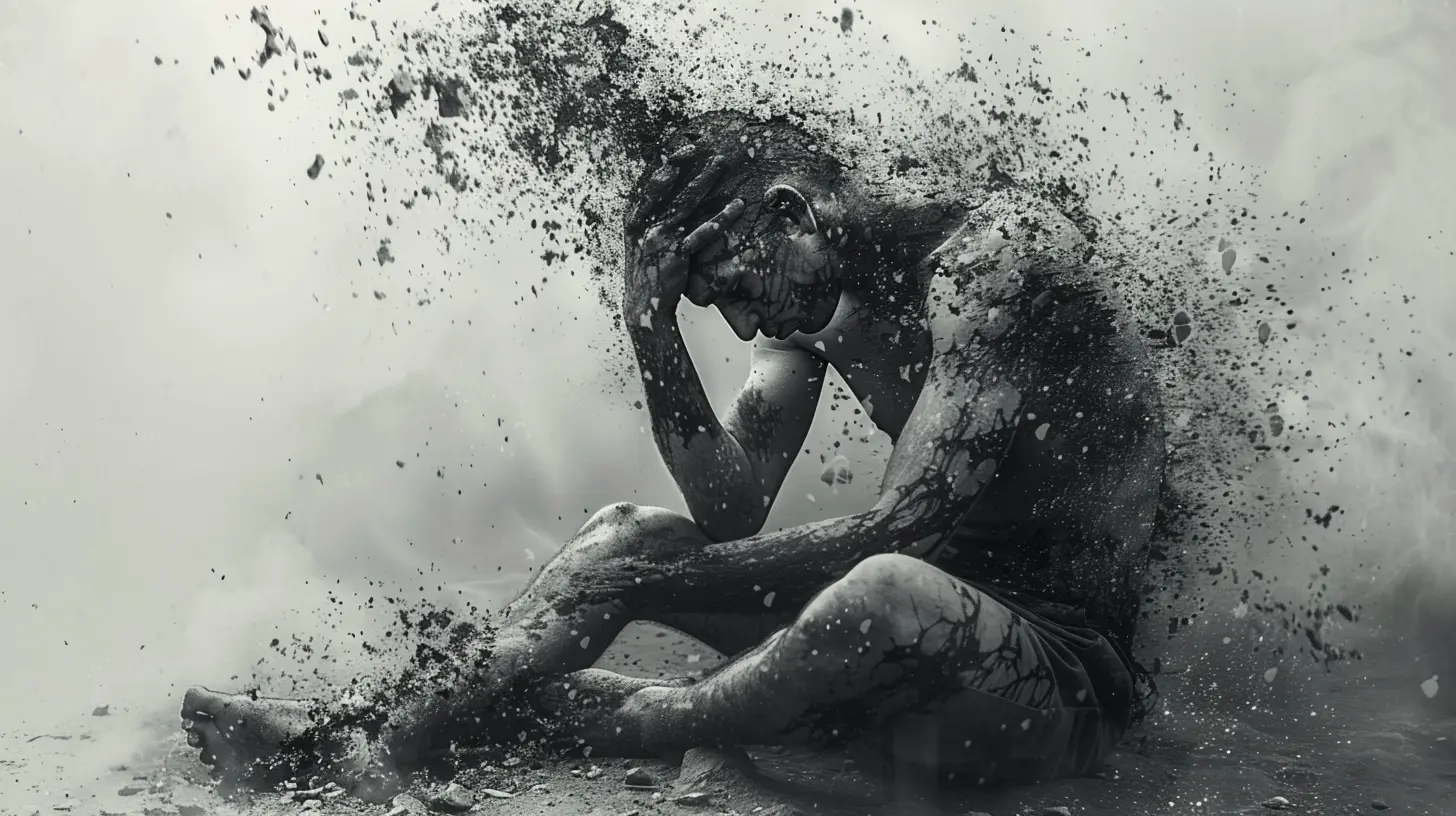
PTSD & Complex PTSD: Understanding the Hidden Struggles and Finding Strength in Healing
When we think of trauma, we often picture a single, life-altering event. But trauma comes in many forms — and it doesn’t always fade with time. For some, the psychological impact lingers, reshapes daily life, and affects everything from relationships to housing and mental health.
Post-Traumatic Stress Disorder (PTSD) and Complex PTSD (C-PTSD) are serious mental health conditions that deserve understanding, compassion, and support. They’re more common than you might think — and deeply linked to issues like homelessness, isolation, and emotional distress.
Let’s explore what PTSD and Complex PTSD are, how they compare, and how those living with trauma can find strength, stability, and hope.
What Is PTSD?
Post-Traumatic Stress Disorder (PTSD) is a mental health condition that develops after experiencing or witnessing a traumatic event. This could include:
- Serious accidents
- Physical or sexual assault
- Combat or war exposure
- Natural disasters
- Sudden loss of a loved one
Common symptoms of PTSD include:
- Flashbacks or nightmares
- Avoidance of reminders
- Hypervigilance (feeling constantly on edge)
- Difficulty sleeping or concentrating
- Feelings of shame, guilt, or emotional numbness
In England, between 4.4% (2014) and 5.7% (2023–24) of adults screened positive for PTSD in the past month—up from 4.4% in 2014 to 5.7% most recently
Source: OLIP THERAPY – Online & In Person – Across the Globe
What Is Complex PTSD (C-PTSD)?
Complex PTSD (C-PTSD) develops from ongoing, repeated trauma over months or years, often during childhood or in environments where escape isn’t possible. Examples include:
- Long-term abuse (emotional, physical, or sexual)
- Domestic violence
- Neglect or abandonment
- Human trafficking or forced captivity
C-PTSD shares symptoms with PTSD, but also includes:
- Deep problems with relationships and trust
- Intense feelings of shame or worthlessness
- Difficulty controlling emotions
- A distorted sense of self (feeling broken or “bad”)
PTSD, C-PTSD, and Mental Health
Both PTSD and C-PTSD can severely affect a person’s mental health. They often overlap with:
- Depression and anxiety
- Substance use (as a coping mechanism)
- Panic attacks
- Self-harm or suicidal thoughts
What’s important to remember is this: these reactions are not weakness — they are the mind’s response to overwhelming pain.
Specific at‑risk groups
Among male sentenced prisoners in a South London prison:
- 7.7% had ICD‑11 PTSD
- 16.7% had C‑PTSD
In a Northern Ireland youth survey aged 11–19:
- 1.5% met criteria for PTSD; 3.4% for C‑PTSD, suggesting C‑PTSD may be more common in young trauma-exposed groups
Source: Prevalence and Predictors of ICD-11 PTSD and Complex PTSD in Young People
Among UK police officers from high-risk areas:
- 8.0% had PTSD; 12.6% had C‑PTSD
- Another sample found PTSD in 3% and C‑PTSD in 2%—risks rose with workplace stress and lack of managerial support
Source: The Matrix – Complex Post Traumatic Stress Disorder (CPTSD)
Trauma and Homelessness: A Dangerous Cycle
The link between trauma and homelessness is strong — and often heartbreaking.
- Many people become homeless because of trauma (e.g., escaping domestic abuse).
- Others develop PTSD after becoming homeless due to violence, exploitation, or chronic instability.
- People with untreated PTSD or C-PTSD may struggle with employment, relationships, or accessing consistent healthcare, increasing their risk of housing loss.
Being homeless also makes healing from trauma incredibly difficult. The lack of safety, sleep, and routine can worsen symptoms — making people feel stuck in survival mode.
Strengths and Challenges of Living with PTSD or C-PTSD
Strengths:
- Resilience – Surviving trauma shows enormous inner strength.
- Empathy – Many trauma survivors are deeply understanding of others’ pain.
- Courage – Facing and managing symptoms takes daily bravery.
- Awareness – Survivors often become highly intuitive and emotionally intelligent.
Challenges:
- Flashbacks and emotional triggers
- Low self-worth and fear of trust
- Isolation or avoidance of support
- Difficulty maintaining jobs or housing stability
But with the right support, healing is not just possible — it’s powerful.
Support and Help for PTSD and C-PTSD
Mental Health Services:
- GP or NHS referral to a therapist or psychiatrist
- Trauma-informed therapy, such as:
- EMDR (Eye Movement Desensitisation and Reprocessing)
- CBT (Cognitive Behavioural Therapy)
- Somatic or body-based therapies
Final Thoughts: You Are Not Alone
Trauma doesn’t define who you are. Whether you’re living with PTSD, Complex PTSD, or supporting someone who is, your story matters. Healing may not be easy, and it may not be fast — but it is possible.
If you’re struggling with trauma, homelessness, or your mental health, reach out. You are not broken, and you are not alone. There is help. There is hope.
And above all — there is strength in surviving.
Housing & Crisis Support:
- Crisis – crisis.org.uk – housing support and advocacy
- Shelter – shelter.org.uk – legal help with homelessness and housing
- Women’s Aid or Refuge – for those escaping domestic abuse
📞 Helplines:
- Mind – 0300 123 3393
- Samaritans – 116 123 (24/7 free)
- Rape Crisis – 0808 802 9999
- Veterans’ Mental Health (Combat Stress) – 0800 138 1619
If you feel you need some extra support or know anyone that might, please fill out our online referral form or contact us here:
Email: mhsupport@ncnw.co.uk
Phone: 0151 345 6454

Stories of Impact, Straight to Your Inbox.
Join our newsletter for updates on our work, success stories from our community, and ways you can get involved.