

June 12, 2026
Understanding Vulnerability: A Gateway to Mental Health and Healing
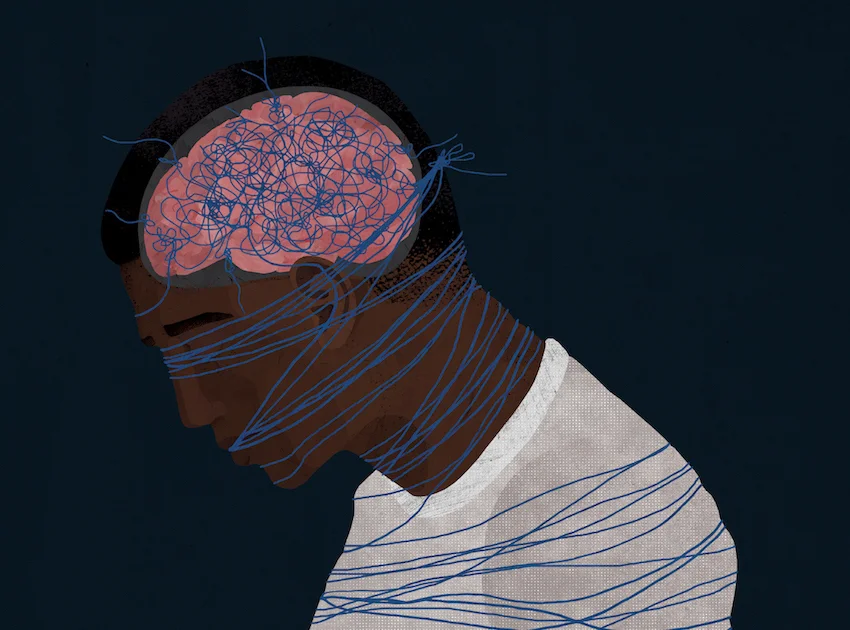
Vulnerability is often misunderstood. In a world that celebrates strength, independence, and confidence, vulnerability can feel like a weakness. But the truth is, it’s one of the most authentic, powerful aspects of being human. When acknowledged and embraced, vulnerability can lead to deeper self-understanding, stronger relationships, and better mental health.
So, What Is Vulnerability?
Vulnerability is the emotional state of being open to uncertainty, risk, and emotional exposure. It’s the willingness to show your true feelings, admit your fears, or say, “I don’t know.” Whether it’s telling someone you love them, asking for help, or admitting a mistake, vulnerability requires courage.
The Link Between Vulnerability and Mental Health
Vulnerability and mental health are deeply connected. Mental health challenges often stem from unexpressed emotions, fear of judgment, and a sense of isolation. When we suppress vulnerability, we bottle up emotions like sadness, anxiety, shame, or fear. Over time, this emotional suppression can contribute to:
- Depression
- Anxiety disorders
- Burnout
- Addiction
- Disconnection from others
Conversely, allowing yourself to be vulnerable can lead to emotional release, connection, and healing. Being open about your struggles can invite empathy and support, rather than judgment or rejection.
How Vulnerability Can Be Hidden or Seen
How It’s Hidden:
- Perfectionism: Trying to appear flawless to avoid criticism.
- Sarcasm or Humor: Masking pain with jokes or deflective comments.
- Withdrawal: Avoiding situations where emotions might come up.
- Control: Over-planning or micromanaging to avoid the unexpected.
- Anger or Defensiveness: Using irritation to cover fear or hurt.
How It’s Seen:
- Openness: Sharing honestly about fears, hopes, and failures.
- Asking for Help: Admitting when you’re struggling or need support.
- Emotional Expression: Crying, speaking from the heart, or being visibly moved.
- Active Listening: Being present with someone else’s vulnerability.
Challenges Around Embracing Vulnerability
- Fear of Rejection or Judgment: “What if they think I’m weak?”
- Shame: Feeling unworthy or embarrassed about emotions.
- Cultural or Gender Norms: Many are raised to believe showing emotion is “soft” or unacceptable.
- Past Trauma: Previous experiences of being hurt when vulnerable can create deep emotional walls.
These are real barriers—but they can be slowly dismantled through compassion and safe connections.
Strategies to Embrace Vulnerability Safely
- Start Small
Share something personal with someone you trust. You don’t have to go deep right away. - Practice Self-Compassion
Speak to yourself with kindness. Remind yourself that it’s okay to feel deeply. - Seek Safe Relationships
Not everyone deserves your vulnerability. Choose people who are empathetic and nonjudgmental. - Counselling
A professional can help you explore your emotions in a safe space and develop confidence in sharing them. - Journaling
Writing about your fears, hopes, or feelings can help you process and understand your vulnerability. - Mindfulness & Breathwork
These practices can help you stay grounded when emotions feel overwhelming.
The Strength in Vulnerability
As researcher Brené Brown famously said, “Vulnerability is the birthplace of love, belonging, joy, courage, empathy, and creativity.” It’s not the opposite of strength—it is strength. In vulnerability, we find connection, growth, and the freedom to live authentically.
Final Thoughts
Vulnerability isn’t easy but it’s essential. In a world that often encourages emotional numbness or superficiality, choosing to be real is a radical act of courage. If you’re struggling with mental health, allowing yourself to be vulnerable could be the first step toward healing.
And remember: You are not alone. Everyone feels afraid sometimes. Everyone needs support. And everyone deserves the space to be fully, honestly human.
If you feel you would like some support, please fill out our online referral form or contact us here:
Email: mhsupport@ncnw.co.uk
Phone: 0151 345 6454

Stories of Impact, Straight to Your Inbox.
Join our newsletter for updates on our work, success stories from our community, and ways you can get involved.