



September 29, 2026
World Heart Day: Healthy Hearts Need More Than Healthy Habits
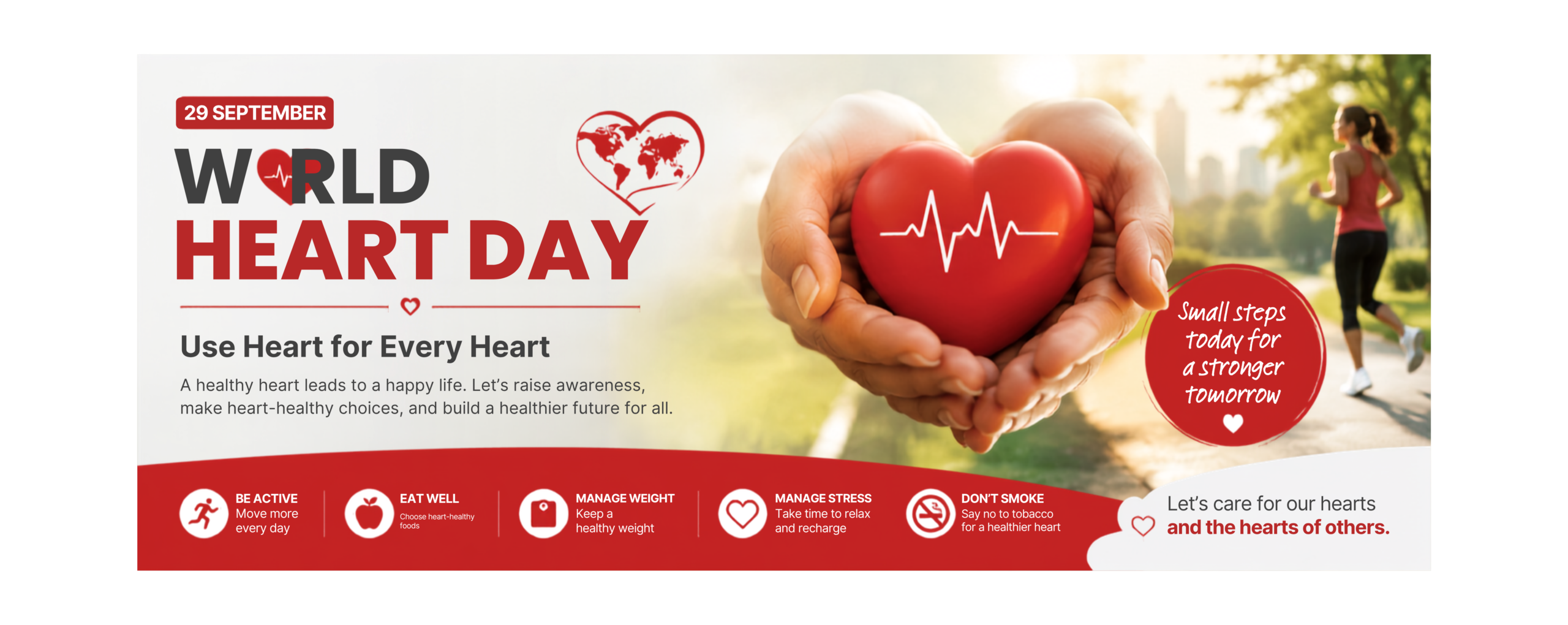
World Heart Day, observed every year on 29 September, is a global campaign that raises awareness of cardiovascular disease and encourages people to take steps to protect their heart health. Heart disease remains one of the leading causes of death worldwide, but many cases can be prevented through healthy lifestyles, access to healthcare, and early intervention.
However, heart health is about much more than diet, exercise, and avoiding smoking. To truly understand what keeps hearts healthy, we must also consider the impact of mental health, stress, poverty, and homelessness.
The Connection Between Heart Health and Mental Health
Our mental wellbeing and physical health are closely linked. When people experience prolonged stress, anxiety, depression, or trauma, their bodies can remain in a state of heightened alertness. Over time, this can contribute to:
- Increased blood pressure
- Higher levels of stress hormones
- Poor sleep quality
- Reduced physical activity
- Increased risk of smoking, alcohol misuse, or substance use as coping mechanisms
These factors can significantly increase the risk of developing heart-related conditions.
Living with poor mental health can also make it more difficult to attend medical appointments, maintain healthy routines, manage medications, or seek support when needed.
Homelessness and Heart Health: An Overlooked Crisis
For people experiencing homelessness, maintaining heart health can be especially challenging.
The reality of homelessness often involves:
- High levels of stress and uncertainty
- Poor access to nutritious food
- Exposure to harsh weather conditions
- Limited opportunities for exercise and rest
- Difficulties accessing healthcare services
- Higher rates of smoking and long-term health conditions
Many individuals facing homelessness are also dealing with mental health difficulties, past trauma, domestic abuse, family breakdown, or financial hardship. These challenges can combine to create significant barriers to looking after physical health.
When someone is focused on finding somewhere safe to sleep or wondering where their next meal will come from, concerns about cholesterol levels, blood pressure, or heart disease can understandably become secondary priorities.
Why Prevention Matters
World Heart Day reminds us that prevention is not just about individual choices. It is also about ensuring everyone has access to the basic foundations of good health:
- Safe and secure housing
- Access to healthcare
- Mental health support
- Healthy food
- Social connections
- Opportunities to stay active
For people experiencing homelessness or housing insecurity, addressing these wider factors can have a positive impact on both mental and physical wellbeing.
By supporting people to access stable accommodation, counselling, healthcare, and community services, we can help reduce the long-term health inequalities that contribute to poor heart health.
Looking After Your Heart
Small steps can make a big difference. Consider:
- Taking regular physical activity, even short daily walks
- Eating a balanced diet where possible
- Getting enough sleep
- Managing stress through relaxation, mindfulness, or talking therapies
- Staying connected with supportive friends, family, or community groups
- Seeking help for mental health concerns early
- Attending health checks and GP appointments
A Heart-Healthy Community
This World Heart Day, let’s remember that a healthy heart is influenced not only by our physical habits but also by our circumstances, experiences, and mental wellbeing.
Everyone deserves the opportunity to live a healthy life. By tackling homelessness, supporting mental health, and reducing barriers to healthcare, we can help create stronger, healthier communities where every heart has the chance to thrive.
At NCNW, we recognise the close relationship between housing, mental wellbeing, and physical health. Through our support services, counselling, and community programmes, we work to help people build stability, improve wellbeing, and move towards healthier futures.
Because every heart matters, and everyone deserves the support they need to protect it.
If you feel you need some extra support or know anyone who might, please fill out our online referral form or contact us here:
Email: mhsupport@ncnw.co.uk
Phone: 0151 345 6454

Stories of Impact, Straight to Your Inbox.
Join our newsletter for updates on our work, success stories from our community, and ways you can get involved.