

October 13, 2026
World Mental Health Day: Supporting the Mental Wellbeing of Adults and Children

World Mental Health Day is an opportunity to raise awareness, reduce stigma, and encourage open conversations about mental health. It reminds us that mental wellbeing is important at every stage of life, from childhood through to adulthood, and that everyone deserves access to support when they need it.
Every year on 10th October, people around the world come together to recognise World Mental Health Day. While awareness of mental health has grown significantly in recent years, many adults and children still struggle in silence due to stigma, lack of understanding, or difficulties accessing support.
Mental health is just as important as physical health. It influences how we think, feel, build relationships, manage stress, and navigate daily life. By creating supportive communities and encouraging early intervention, we can help individuals of all ages live healthier, happier lives.
Mental Health Matters at Every Age
Mental health affects everyone, regardless of age, background, or circumstances. Just as our physical health can change over time, our mental health can fluctuate depending on life experiences, challenges, and environments.
For adults, pressures such as work, finances, family responsibilities, relationships, and health concerns can impact emotional wellbeing. For children and young people, school pressures, friendships, social media, family changes, and growing up in an increasingly complex world can create challenges of their own.
Recognising that mental health is a lifelong journey helps us understand the importance of providing support at every stage of life.
Supporting Adult Mental Health
Many adults balance multiple responsibilities every day. While occasional stress is a normal part of life, ongoing stress can affect mental wellbeing if left unmanaged.
Common factors that can affect adult mental health include:
- Financial pressures and rising living costs
- Workplace stress and burnout
- Relationship difficulties
- Caring responsibilities
- Physical health conditions
- Bereavement and loss
- Social isolation and loneliness
When mental health challenges become overwhelming, they can impact sleep, concentration, relationships, confidence, and overall quality of life.
Seeking support is a sign of strength, not weakness. Whether through talking to a trusted friend, accessing counselling, joining a support group, or speaking with a healthcare professional, reaching out can be the first step towards recovery and resilience.
Supporting Children’s Mental Health
Good mental health begins in childhood. Children who feel safe, valued, and supported are more likely to develop healthy coping skills and emotional resilience.
Children may not always have the words to explain how they are feeling. Instead, signs of emotional distress may appear through changes in behaviour, withdrawal from activities they enjoy, difficulties concentrating, changes in sleep patterns, or increased anxiety.
Parents, carers, teachers, and community organisations all play important roles in supporting children’s wellbeing by:
- Encouraging open conversations about feelings
- Creating safe and supportive environments
- Promoting positive relationships
- Building self-esteem and confidence
- Teaching healthy coping strategies
- Recognising when additional support may be needed
Helping children understand that it is okay to talk about emotions can make a lasting difference throughout their lives.
The Importance of Community
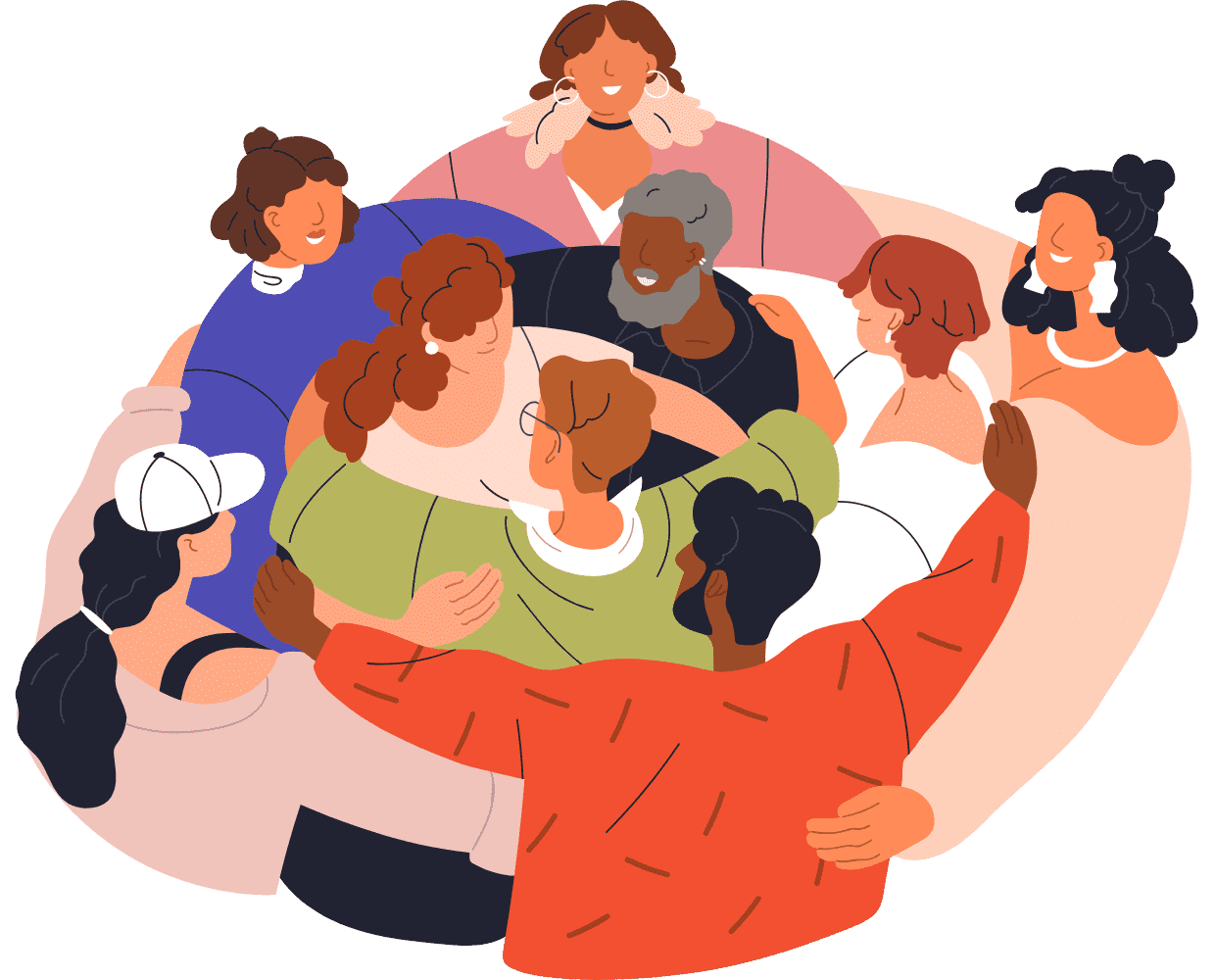
Strong communities are vital for mental wellbeing. Feeling connected to others can reduce isolation, improve self-esteem, and provide valuable emotional support during difficult times.
Community groups, schools, workplaces, charities, and local organisations all contribute to creating environments where mental health conversations are welcomed and encouraged.
Simple actions can make a significant difference:
- Checking in on friends, family members, and neighbours
- Listening without judgement
- Encouraging people to seek support
- Participating in community activities
- Challenging stigma and misconceptions about mental health
When communities work together, they help create a culture of understanding and compassion.
Breaking the Stigma
Despite growing awareness, stigma remains one of the biggest barriers preventing people from seeking help. Many individuals worry about being judged, misunderstood, or treated differently because of their mental health.
World Mental Health Day encourages us to challenge these misconceptions by recognising that mental health struggles are common and that seeking help is a normal and healthy response.
Open conversations can save lives. By talking honestly about mental health, we create spaces where people feel safe to ask for support and know they are not alone.
Looking After Your Mental Wellbeing
There are many ways to support positive mental health, including:
- Staying physically active
- Maintaining healthy sleep habits
- Building meaningful connections
- Practising mindfulness and relaxation techniques
- Spending time outdoors
- Reducing stress where possible
- Seeking support when needed
Small daily actions can have a powerful impact on overall wellbeing.
A Message for World Mental Health Day
This World Mental Health Day, let us remember that mental health is everyone’s business. Whether we are supporting a child learning to understand their emotions or an adult facing life’s challenges, compassion and understanding can make all the difference.
By encouraging open conversations, reducing stigma, and promoting access to support, we can help build communities where everyone feels valued, heard, and empowered to look after their mental wellbeing.
Because no one should have to face their mental health journey alone.
Call to Action
If you or someone you know is struggling with their mental health, reach out for support. A conversation today could make a positive difference tomorrow. Together, we can create a world where mental health is treated with the same importance, care, and understanding as physical health. #WorldMentalHealthDay #MentalHealthMatters #YouAreNotAlone #EndTheStigma
If you need more information or support for homelessness or mental health, please fill out our online referral form or contact us here:
Email: mhsupport@ncnw.co.uk
Phone: 0151 345 6454

Stories of Impact, Straight to Your Inbox.
Join our newsletter for updates on our work, success stories from our community, and ways you can get involved.