

June 12, 2026
Seasonal Affective Disorder in Children and Teens: Understanding the Impact and Supporting Young Minds
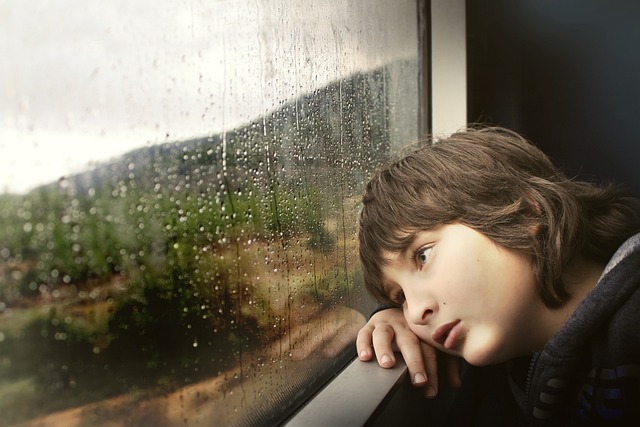
As the days grow shorter and the skies turn grey, many of us feel a shift in mood. For some, this seasonal change brings more than just a case of the winter blues it triggers a form of depression known as Seasonal Affective Disorder (SAD). While SAD is often associated with adults, it can also affect children and adolescents, sometimes in subtle but significant ways.
Understanding how SAD manifests in young people is crucial for early intervention and effective support. In this blog post, we’ll explore the symptoms, causes, and treatment options for SAD in children and teens, and offer practical advice for parents, caregivers, and educators.
What Is Seasonal Affective Disorder?
Seasonal Affective Disorder is a type of depression that follows a seasonal pattern, typically emerging in autumn and winter when daylight hours decrease. It’s linked to changes in light exposure, which affect brain chemicals responsible for mood and sleep regulation.
In children and teens, SAD can be harder to recognise than in adults. Young people may not have the vocabulary or self-awareness to articulate what they’re feeling, and their symptoms may be mistaken for typical developmental changes or behavioural issues.
How SAD Affects Young People
SAD in children and adolescents can impact multiple areas of life, including emotional well-being, academic performance, social relationships, and physical health. Common symptoms include:
- Persistent sadness or irritability: Children may seem unusually moody, tearful, or quick to anger.
- Low energy and fatigue: Even with adequate sleep, they may feel tired and sluggish.
- Sleep disturbances: Some sleep more than usual, while others struggle with insomnia.
- Changes in appetite: Cravings for carbohydrates and sugary foods are common, or they may lose interest in eating altogether.
- Withdrawal from activities: A child who once loved playing or socialising may become withdrawn or disinterested.
- Difficulty concentrating: SAD can impair focus and memory, leading to declining school performance.
- Feelings of hopelessness or worthlessness: These may be expressed through negative self-talk or increased sensitivity to criticism.
- Physical complaints: Headaches, stomach-aches, or other unexplained symptoms may occur.
These symptoms typically last for at least two weeks and recur annually during the same season.
What Causes SAD in Children and Teens?
The exact cause of SAD isn’t fully understood, but several factors contribute to its development:
1. Reduced Sunlight Exposure
Less daylight disrupts the body’s internal clock (circadian rhythm), affecting sleep and mood. It also leads to increased production of melatonin, a hormone that promotes sleep, and decreased levels of serotonin, a neurotransmitter that regulates mood.
2. Biological Sensitivity
Children and teens may be more sensitive to these changes due to their developing brains and hormonal shifts during puberty.
3. Genetic Factors
SAD can run in families. If a parent has depression or SAD, their child may be at higher risk.
4. Environmental Influences
Living in northern latitudes with long, dark winters increases the likelihood of SAD. Indoor lifestyles limited outdoor play, and screen-heavy routines can also exacerbate symptoms.
Why SAD Is Often Overlooked in Young People
SAD in children and teens is frequently misdiagnosed or dismissed. Symptoms may be attributed to:
- Normal teenage moodiness
- Academic stress
- Social challenges
- Sleep deprivation
Because young people may not express their feelings clearly, adults must be attentive to behavioural changes, especially those that coincide with seasonal shifts.
Signs of SAD in Children and Teens
A diagnosis of SAD typically involves:
- A pattern of depressive symptoms that occur during specific seasons
- Symptoms lasting at least two weeks
- Recurrence for two consecutive years
- Ruling out other causes, such as stress, trauma, or medical conditions
Mental health professionals may use interviews, questionnaires, and observation to assess the child’s mood and functioning.
Ways Helps and Support?
Fortunately, SAD is treatable, and early intervention can make a big difference. Common approaches include:
1. Cognitive Behavioural Therapy (CBT)
CBT helps children identify negative thought patterns and develop coping strategies. It’s especially effective in teaching behavioural activation encouraging engagement in enjoyable activities even when motivation is low.
2. Light Therapy
Using a light box that mimics natural sunlight for 30–45 minutes each morning can help regulate melatonin and serotonin levels. This treatment is safe for children when used under medical supervision.
3. Medication
In severe cases, doctors may prescribe antidepressants, such as SSRIs. Medication is typically considered when other treatments aren’t sufficient, or symptoms are significantly impairing daily life.
4. Lifestyle Adjustments
Simple changes can have a big impact:
- Encourage outdoor activity, even in cold weather.
- Maintain a consistent sleep schedule.
- Promote a balanced diet rich in whole foods.
- Limit screen time, especially before bed.
How Parents and Caregivers Can Help
Support from family is essential. Here are some ways to help your child navigate SAD:
- Talk openly: Create a safe space for your child to express their feelings.
- Validate their experience: Let them know it’s okay to feel down and that help is available.
- Monitor changes: Keep an eye on mood, sleep, appetite, and school performance.
- Encourage routine: Structure provides stability and predictability.
- Be proactive: If symptoms persist or worsen, seek professional help.
SAD Can Sometimes Feel Complex, So When Should You Seek Support?
If your child shows signs of depression that interfere with daily life such as refusing to go to school, withdrawing from friends, or expressing hopelessness it’s time to consult a mental health professional. Early intervention can prevent SAD from escalating and support long-term emotional health.
Final Thoughts
Seasonal Affective Disorder is a real and impactful condition that can affect children and teens just as deeply as adults. By recognizing the signs, understanding the causes, and taking proactive steps, parents and caregivers can help young people navigate seasonal mood changes with resilience and confidence.
Remember, your child’s struggles are not a reflection of weakness they’re a response to environmental and biological changes. With compassion, awareness, and the right support, you can help them thrive through every season.
If you or someone you know needs support with their mental health, please fill out our online referral form or contact us here to learn more or book a session:
Email: mhsupport@ncnw.co.uk
Phone: 0151 345 6454

Stories of Impact, Straight to Your Inbox.
Join our newsletter for updates on our work, success stories from our community, and ways you can get involved.