
June 11, 2026
Identifying Mental Health Issues in Children and Young People: A Guide for Adults
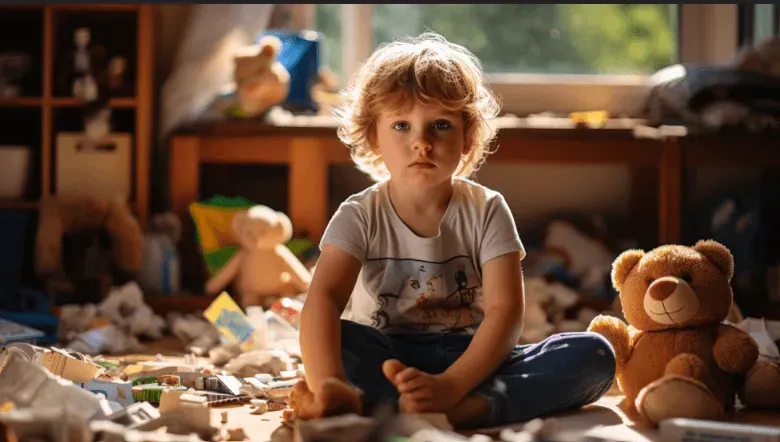
Mental health challenges among children and young people are more common than many realise. According to NHS England, one in five children and young people in England had a probable mental disorder in 2023.
As parents, teachers, and caregivers, recognising the early signs and knowing how to respond can make a profound difference in a young person’s life.
This blog explores how to identify mental health issues in children and young people, how to talk to them about their feelings, and when to seek professional help.
Why Early Identification Matters
Children and young people are still developing emotionally and psychologically. Mental health issues can affect their ability to learn, form relationships, and enjoy life. Early identification and support can prevent problems from escalating and help them build resilience for the future.
Signs to Look For
Mental health issues can manifest in many ways, and not all signs are obvious. Here are some key indicators to watch for:
1. Changes in Behaviour
- Sudden mood swings or irritability
- Aggression or frequent outbursts
- Becoming unusually quiet or withdrawn
2. Emotional Distress
- Persistent sadness or tearfulness
- Excessive worry or fear
- Expressions of hopelessness or low self-worth
3. Social Withdrawal
- Avoiding friends or family
- Loss of interest in activities they once enjoyed
- Reluctance to go to school or social events
4. Physical Symptoms
- Frequent headaches or stomach aches with no clear cause
- Changes in appetite or weight
- Difficulty sleeping or nightmares
5. Risky or Self-Harming Behaviour
- Self-injury (e.g. cutting or burning)
- Talking about death or suicide
- Engaging in risky behaviours like substance use
These signs don’t always mean a child has a mental health disorder, but they do indicate that something may be wrong and deserves attention
How to Talk to Children and Young People About Mental Health
Starting a conversation about mental health can feel daunting, but it’s one of the most important things you can do. Here are some tips to help:
1. Create a Safe Space
Choose a quiet, private moment when you won’t be interrupted. Let them know you’re there to listen, not to judge.
2. Use Open-Ended Questions
Instead of asking “Are you okay?”, try:
- “I’ve noticed you’ve seemed a bit down lately—do you want to talk about it?”
- “How have things been going at school/home?”
3. Listen More Than You Speak
Give them time to express themselves. Avoid jumping in with solutions right away. Sometimes, just being heard is enough to make a difference.
4. Validate Their Feelings
Let them know it’s okay to feel sad, anxious, or angry. Say things like:
- “That sounds really tough.”
- “It’s okay to feel that way. I’m here for you.”
5. Be Honest and Reassuring
If they ask difficult questions, answer honestly but in an age-appropriate way. Reassure them that they’re not alone and that help is available.
When to Seek Professional Help
While many emotional ups and downs are part of growing up, there are times when professional support is essential. Consider seeking help if:
- Symptoms persist for more than a few weeks
- Their behaviour is significantly impacting daily life
- They talk about self-harm or suicide
- You feel out of your depth or unsure how to help
You can start by speaking to your GP, school counsellor, or a mental health professional. In the UK, services like CAMHS (Child and Adolescent Mental Health Services), Young Minds, and NSPCC offer support and guidance. Additionally, you can seek support through counselling services such as NCNW.
Supporting Mental Wellbeing Every Day
Prevention is just as important as intervention. Here are some ways to support children’s mental health daily:
- Encourage routine: Regular sleep, meals, and physical activity help create stability.
- Promote connection: Spend quality time together and encourage friendships.
- Foster self-expression: Let them express themselves through art, writing, or talking.
- Model healthy coping mechanisms: Show how you manage stress and emotions in healthy ways.
Final Thoughts
Mental health is just as important as physical health. By staying informed, observant, and compassionate, we can help children and young people navigate life’s challenges and thrive. If you are ever in doubt, remember it’s always better to ask and offer support than to stay silent, you might be the lifeline they need.
If you or someone you know needs support with their mental health, please fill out our online referral form or contact us here to learn more or book a session:
Email: mhsupport@ncnw.co.uk
Phone: 0151 345 6454

Stories of Impact, Straight to Your Inbox.
Join our newsletter for updates on our work, success stories from our community, and ways you can get involved.