
June 11, 2026
What Is Disability? Understanding Disability, Challenges, Support, and Mental Health
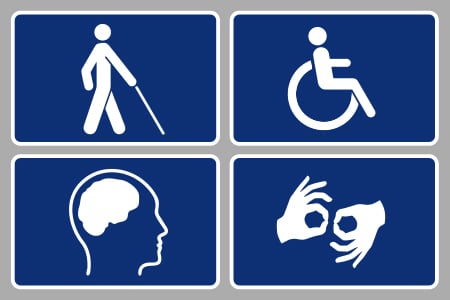
Disability is part of the human experience. It can affect anyone at any stage in life and comes in many forms visible or invisible, physical or cognitive, temporary or lifelong. But despite how common it is, disability is still often misunderstood.
In this post, we’ll explore what disability really means, the different types (including learning disabilities), the challenges people face, what support can help, and how it all links to mental health.
What Is a Disability?
A disability is a condition that can be physical, mental, intellectual, or sensory that makes it harder for someone to do certain activities or interact with the world around them. Disabilities vary widely in severity and in how they affect individuals.
Disability is not just about the medical condition itself it’s also about the barriers society creates, like inaccessible environments, outdated attitudes, or lack of support.
Challenges Faced by People with Disabilities
Despite progress in awareness and policy, people with disabilities often face significant barriers:
• Stigma and Discrimination
- Negative stereotypes or assumptions
- Lack of understanding
- Being underestimated or excluded
• Accessibility Issues
- Inaccessible buildings, transport, or online content
- Limited access to assistive technology or tools
• Educational Barriers
- Inadequate support in schools for students with learning disabilities
- Lack of tailored teaching methods
• Employment Inequality
- Lower employment rates
- Discrimination in hiring and promotion
• Healthcare Disparities
- Difficulty accessing appropriate, respectful healthcare
- Professionals sometimes lack training in disability-inclusive care
Support Strategies That Make a Difference
Support can be life-changing for individuals with disabilities. Here are some examples:
In Education:
- Individualized Education Plans (IEPs)
- Special educational needs coordinators (SENCOs)
- Learning support assistants
- Use of technology (speech-to-text, audiobooks, screen readers)
In Daily Life:
- Accessible transport and buildings
- Mobility aids and adaptive devices
- Personal care support
- Clear communication formats (e.g., sign language, Easy Read documents)
In the Workplace:
- Reasonable adjustments (flexible hours, modified equipment)
- Inclusive hiring practices
- Disability awareness training for staff
In Mental Health:
- Therapists trained in disability issues
- Peer support groups
- Coping strategies for managing the emotional impact of a disability
The Link Between Disability and Mental Health
The connection between disability and mental health is powerful and often overlooked.
People with disabilities are more likely to experience:
- Anxiety or depression, especially if facing isolation or discrimination
- Low self-esteem due to stigma or social exclusion
- Chronic stress from navigating systems that aren’t built with them in mind
On the flip side:
- Mental health conditions can themselves be disabling, especially if left untreated.
- People with mental health disabilities often face double stigma: one for the condition and another for the impact it has on their lives.
It’s a two-way street:
Supporting a person’s disability often improves their mental health, and supporting their mental health often improves how they cope with or manage a disability.
Final Thoughts: Disability Is Diversity
Disability is not something to be “fixed” it’s a part of human diversity. People with disabilities have the same rights to inclusion, opportunity, and respect as anyone else.
Understanding the wide range of disabilities including learning disabilities and how they intersect with mental health is essential to building a more inclusive world.
Whether you’re someone living with a disability, supporting someone who is, or simply wanting to learn more, remember: Compassion, accessibility, and understanding go a long way.
Questions
Will the Counsellor Understand My Disability?
This is a common and important concern.
You might want to ask:
- “Have you worked with disabled clients before?”
- “Are you familiar with learning disabilities, chronic illness, or [your condition]?”
- “Are you comfortable adapting sessions to suit my communication or access needs?”
Tip: It’s okay to advocate for what you need. You deserve a counsellor who is respectful, inclusive, and open to learning if they’re not an expert.
Can I Ask for Adjustments to Make Counselling More Accessible?
Yes! You have the right to request adjustments. For example:
- Do you need step-free access or online sessions?
- Would you prefer written communication before or after a session?
- Do you need extra time to process or speak?
You can say, “Here’s what helps me feel comfortable,” or “This is what works best for me.” A good counsellor will want to support you in the way that works for you.
What If I’ve Had Bad Experiences Asking for Help Before?
That’s valid. If you’ve been dismissed, misunderstood, or treated unfairly in the past, it’s normal to feel cautious.
You might want to ask:
- “How do you make sure this is a safe, judgment-free space?”
- “What happens if I’m not ready to talk about certain things yet?”
- “Can we go at my pace?”
Your safety and comfort come first.
If you feel you would like some support, please fill out our online referral form or contact us here:
Email: mhsupport@ncnw.co.uk
Phone: 0151 345 6454

Stories of Impact, Straight to Your Inbox.
Join our newsletter for updates on our work, success stories from our community, and ways you can get involved.