September 8, 2026
International Literacy Day: Empowering Lives Through Reading, Learning and Connection
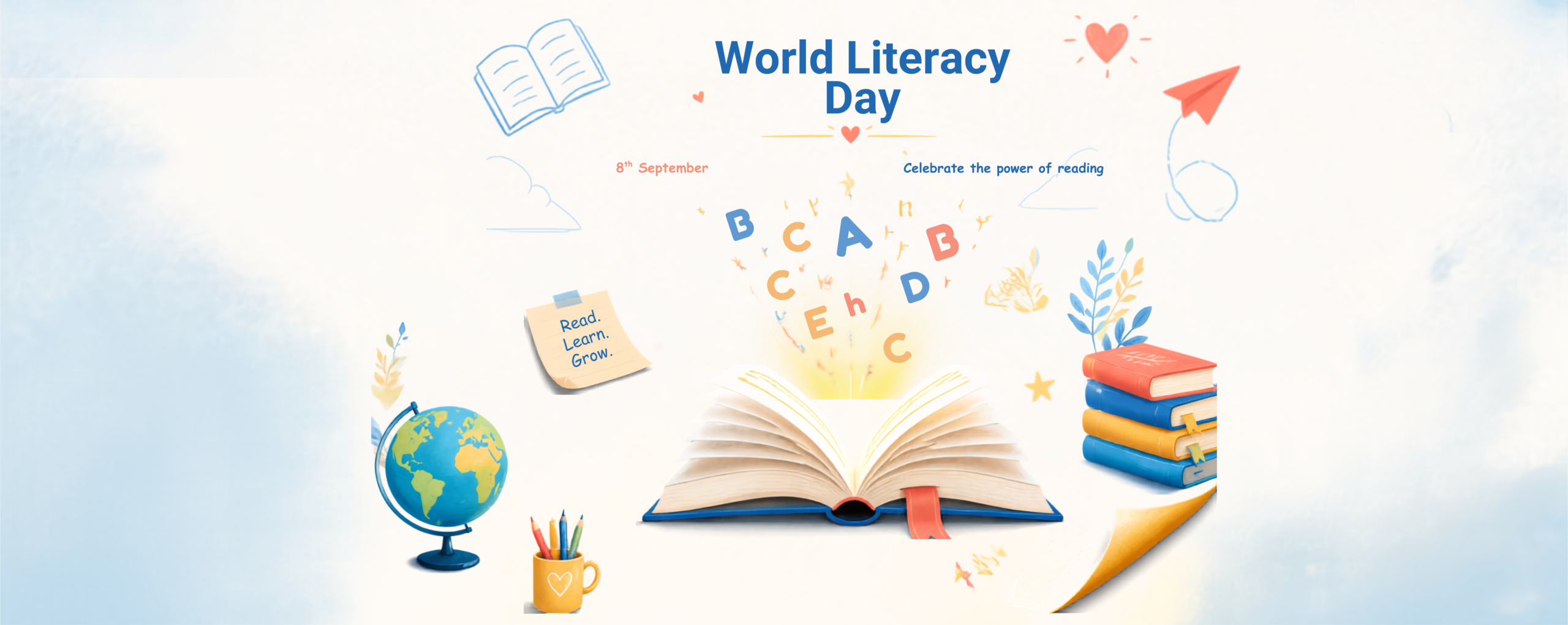
Every year on 8 September, International Literacy Day highlights the importance of literacy as a fundamental human right and a foundation for lifelong learning. It is an opportunity to celebrate the power of reading, writing, and communication while recognising the challenges that many people still face in accessing education and developing literacy skills.
This year’s International Literacy Day provides a chance to reflect on how literacy is connected not only to education and employment, but also to mental health, wellbeing, confidence, and social inclusion.
Why Literacy Matters
Literacy is often taken for granted, but it plays a crucial role in everyday life. From reading a prescription label to completing a job application, managing finances, understanding important information, or simply staying connected with friends and family, literacy skills help people navigate the world around them.
Strong literacy skills open doors to education, employment opportunities, and personal development. They enable people to make informed decisions, advocate for themselves, and participate fully in their communities.
For those who struggle with literacy, everyday tasks can become sources of stress, anxiety, and frustration.
The Connection Between Literacy and Mental Health
Literacy and mental wellbeing are closely linked. Individuals with low literacy levels may experience reduced confidence, feelings of embarrassment, social isolation, or difficulties accessing support and services.
Many people avoid situations where they may be asked to read or write, which can affect relationships, employment opportunities, and engagement with healthcare services. Over time, these barriers can have a significant impact on self-esteem and mental health.
Conversely, improving literacy skills can boost confidence, increase independence, and create new opportunities for social connection. Learning to read and write more effectively can empower individuals to take control of their lives and build a more positive future.
Supporting Vulnerable Communities
People experiencing homelessness, poverty, long-term unemployment, or mental health challenges often face additional barriers to accessing education and literacy support.
For some, disrupted schooling, trauma, or difficult life circumstances can affect opportunities to develop literacy skills. These challenges can then become barriers to accessing housing, employment, healthcare, and community resources.
This is why literacy programmes delivered within communities, libraries, support services, and charitable organisations are so important. They provide safe and inclusive environments where people can learn without judgement and build confidence at their own pace.
How NCNW Supports Learning and Personal Development
At NCNW, we recognise that literacy extends beyond reading and writing. It includes the practical knowledge, confidence, communication skills, and emotional resilience needed to navigate daily life successfully.
The Property Pathways Programme (PPP)
Our Property Pathways Programme (PPP) is a fully CPD-accredited course designed to equip individuals with the essential skills for independent, successful living. The programme is available to all NCNW accommodation beneficiaries, as well as residents referred through registered social landlords, private landlords, and hostel providers.
Delivered by experienced staff, the programme consists of 19 practical modules that help participants develop the knowledge and confidence needed to manage their tenancy, finances, health, and wellbeing.
Key topics include:
- Tenancy management
- Housekeeping
- Understanding the criminal justice system
- Drugs and alcohol awareness
- Debt management
- Mental health coping strategies
By supporting individuals to build practical life skills and improve their understanding of important information, PPP helps participants increase their confidence, independence, and ability to maintain stable accommodation.
The Outcome:
To equip every graduate with the practical knowledge and life skills necessary to effectively manage their own tenancy, health, and finances, empowering them to step confidently into a stable and self-sufficient future.
The Positive Life Programme (PLP)
NCNW’s Positive Life Programme (PLP) supports children and young people aged 5 to 16 across Key Stages 1 to 4 who would benefit from targeted emotional and social support.
Delivered in a safe and collaborative environment, the six-week programme uses restorative practices and interactive learning activities to help young people develop confidence, strengthen communication skills, and build emotional resilience.
Key topics include:
- Building confidence and self-esteem
- Developing healthy coping strategies
- Navigating friendships and relationships
- Resilience and personal growth
- Managing school transitions
- Personal and online safety
Through group discussion, reflection, and practical activities, participants develop the communication and emotional literacy skills that are essential for long-term wellbeing and success.
The Outcome:
To empower every participant with the confidence to share their experiences, the tools to better understand their emotions, and the resilience to navigate life’s challenges.
Reading as a Tool for Wellbeing
Reading is not only an educational activity; it can also support mental wellbeing.
Books, stories, and educational materials can provide comfort, reduce stress, encourage self-reflection, and help people feel connected to others. Reading can introduce new perspectives, inspire hope, and provide an escape from difficult circumstances.
Libraries and community learning centres often serve as welcoming spaces where people can access information, develop skills, and connect with others, helping to reduce loneliness and improve wellbeing.
How You Can Make a Difference
International Literacy Day is a reminder that everyone can play a role in promoting literacy and learning.
You can:
- Donate books to local community groups, schools, or charities.
- Volunteer with literacy programmes or reading groups.
- Support organisations that provide adult learning opportunities.
- Encourage reading within your family and community.
- Advocate for accessible education and learning support.
- Share information about local literacy resources and services.
Every action, no matter how small, can help create opportunities for someone to learn, grow, and thrive.
Creating Communities of Opportunity
Literacy is about more than reading and writing. It is about confidence, independence, dignity, and opportunity. It helps people engage with their communities, access support when they need it, and build brighter futures for themselves and their families.
This International Literacy Day, let us celebrate the transformative power of literacy and recognise the organisations, educators, volunteers, and community groups who work tirelessly to ensure that everyone has the opportunity to learn.
At NCNW, programmes such as the Property Pathways Programme and Positive Life Programme demonstrate how education, life skills, and emotional development can work together to empower people of all ages to overcome barriers and achieve their full potential.
By supporting literacy, we are supporting mental wellbeing, reducing social exclusion, and creating stronger, more inclusive communities where everyone has the chance to succeed.
Together, we can help ensure that literacy remains a pathway to hope, empowerment, and opportunity for all.
If you feel you need some extra support or know anyone who might, please fill out our online referral form or contact us here:
Email: mhsupport@ncnw.co.uk
Phone: 0151 345 6454

Stories of Impact, Straight to Your Inbox.
Join our newsletter for updates on our work, success stories from our community, and ways you can get involved.