
September 1, 2026
National Recovery Month: Celebrating Hope, Resilience and Mental Health Recovery
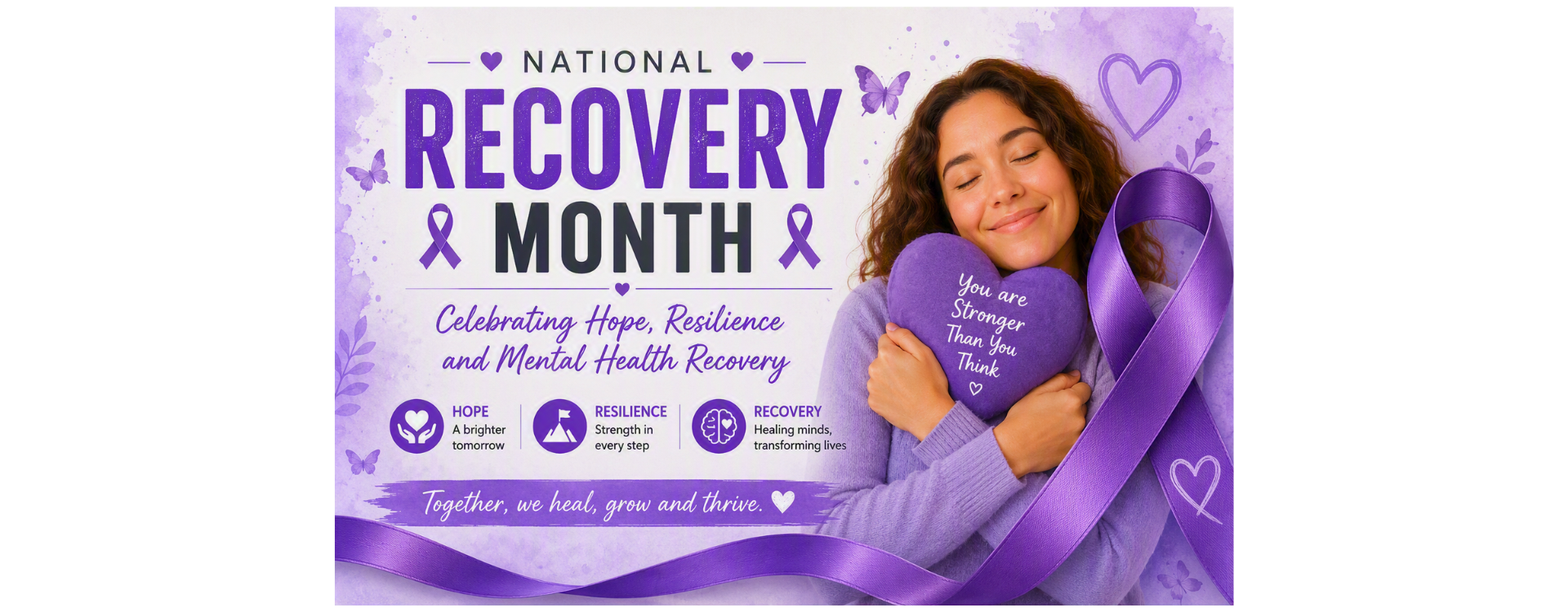
Every September, National Recovery Month recognises the millions of people whose lives have been transformed through recovery from mental health challenges, substance use disorders, and co-occurring conditions. It is a time to celebrate individual journeys, challenge stigma, promote hope, and highlight the importance of accessible support services that help people build healthier and more fulfilling lives.
Recovery is not simply about overcoming symptoms or completing treatment. It is about creating opportunities for people to reconnect with their communities, rebuild relationships, develop resilience, and achieve their personal goals. National Recovery Month reminds us that recovery is possible and that everyone deserves the opportunity to thrive.
Understanding Recovery
Recovery looks different for everyone.
For some individuals, recovery may involve managing a long-term mental health condition. For others, it may mean overcoming substance misuse, rebuilding confidence after a crisis, or finding stability following periods of homelessness, trauma, or social isolation.
Recovery is rarely a straight path. People often experience setbacks, challenges, and periods of uncertainty. However, with the right support, many individuals are able to make meaningful progress, regain independence, and improve their overall wellbeing.
At its heart, recovery is about hope. It recognises that people can live satisfying, contributing, and meaningful lives regardless of the challenges they have faced.
The Link Between Recovery and Mental Health
Good mental health is a key component of recovery.
Many people experiencing substance use problems also face mental health challenges such as anxiety, depression, post-traumatic stress, or complex trauma. Similarly, poor mental health can increase vulnerability to substance misuse as individuals seek ways to cope with difficult emotions or life circumstances.
This close connection highlights the need for integrated, person-centred services that address both mental health and substance use together. When support focuses on the whole person rather than a single issue, recovery outcomes are often more positive and sustainable.
Recovery-oriented approaches recognise strengths, encourage self-determination, and empower individuals to take an active role in shaping their future.
Breaking Down Stigma
Despite increasing awareness, stigma remains one of the biggest barriers to recovery.
Many people continue to face judgement because of their mental health condition, substance use history, or previous life experiences. Fear of being labelled or misunderstood can prevent individuals from seeking help when they need it most.
Stigma can affect employment opportunities, housing, relationships, and self-esteem. It can lead people to feel isolated and disconnected from their communities.
National Recovery Month encourages us to challenge misconceptions and replace judgement with compassion. Every recovery story demonstrates that people are far more than their diagnosis, circumstances, or past experiences.
Recovery, Homelessness and Social Inclusion
For many individuals, recovery and housing stability go hand in hand.
People experiencing homelessness are more likely to face complex mental health challenges, trauma, substance use difficulties, and social exclusion. Without safe and secure housing, engaging with treatment, maintaining wellbeing, and building stability can become significantly more difficult.
Equally, achieving recovery can provide the foundation for securing housing, employment, education, and stronger social connections.
This is why recovery-focused services increasingly recognise the importance of addressing wider social determinants of health, including housing, financial security, community engagement, and access to meaningful activities. Recovery is strengthened when people feel valued, connected, and included.
The Importance of Community Support
Recovery does not happen in isolation.
Families, friends, peer support networks, community organisations, employers, housing providers, and healthcare professionals all play an important role in helping individuals achieve and sustain recovery.
Peer support can be particularly powerful. Hearing from others who have experienced similar challenges can inspire hope and demonstrate that positive change is possible.
Simple acts of kindness, understanding, and encouragement can have a lasting impact. Creating supportive communities helps people build confidence, reduce loneliness, and maintain progress during challenging times.
Looking Beyond the Challenges
National Recovery Month is not only about recognising the difficulties people have overcome. It is also about celebrating achievements.
Recovery stories showcase courage, determination, resilience, and growth. They demonstrate that people can rebuild relationships, gain employment, return to education, secure housing, support others, and contribute positively to their communities.
These successes remind us that recovery is achievable and that investment in recovery services benefits individuals, families, and society as a whole.
A Call to Action: This National Recovery Month
This September, let us celebrate the strength of individuals in recovery and acknowledge the contribution of the professionals, volunteers, families, and communities who support them.
National Recovery Month is an opportunity to promote hope, challenge stigma, and advocate for accessible, compassionate, and person-centred services that meet people where they are.
By recognising recovery as a journey rather than a destination, we can help create communities where everyone feels supported, valued, and empowered to reach their full potential.
Together, we can build a future where recovery is understood, celebrated, and accessible to all.
If you feel you need some extra support or know anyone who might, please fill out our online referral form or contact us here:
Email: mhsupport@ncnw.co.uk
Phone: 0151 345 6454

Stories of Impact, Straight to Your Inbox.
Join our newsletter for updates on our work, success stories from our community, and ways you can get involved.