

June 11, 2026
Seasonal Attention Deficit: Understanding the Seasonal Shifts in Focus and Energy
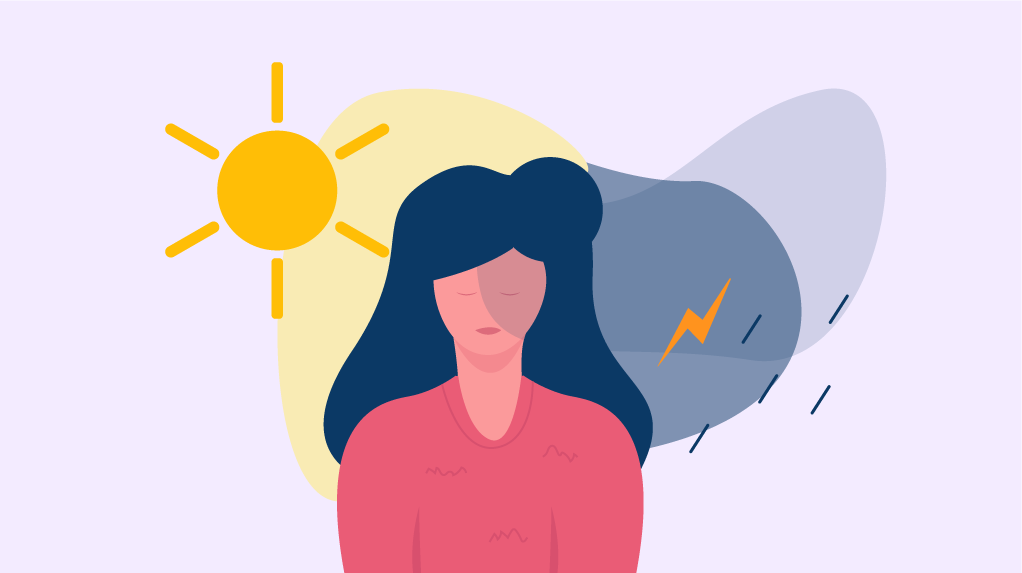
Have you ever felt like your ability to concentrate, stay motivated, or manage your emotions takes a hit when the seasons change especially during the darker, colder months? You’re not imagining it.
While not a formally recognized medical diagnosis, the concept of Seasonal Attention Deficit is gaining attention among mental health professionals and individuals with ADHD (Attention-Deficit/Hyperactivity Disorder). It describes a noticeable seasonal fluctuation in attention, energy, and mood, often tied to environmental and biological changes.
In this blog post, we’ll explore what seasonal attention deficit is, why it happens, how it affects people especially those with ADHD and what you can do to manage it effectively.
What Is Seasonal Attention Deficit?
Seasonal Attention Deficit refers to the worsening of attention-related symptoms during specific times of the year, most commonly in autumn and winter. These symptoms often overlap with those of Seasonal Affective Disorder (SAD), a type of depression that occurs in response to reduced sunlight and shorter days.
For individuals with ADHD, seasonal changes can amplify core symptoms such as:
- Difficulty concentrating
- Increased forgetfulness
- Emotional instability
- Fatigue and low motivation
- Sleep disturbances
While everyone experiences seasonal shifts in mood and energy to some extent, people with ADHD may be more sensitive to these changes due to underlying neurological and behavioural patterns.
Why Do Seasons Affect Attention?
The connection between seasonal changes and attention is rooted in biology, environment, and lifestyle. Here are the key factors at play:
1. Light Exposure and Melatonin
Sunlight plays a crucial role in regulating our circadian rhythms the internal clock that governs sleep, wakefulness, and alertness. In winter, reduced daylight leads to increased production of melatonin, a hormone that promotes sleep. This can result in daytime fatigue, sluggishness, and difficulty staying alert.
For people with ADHD, who often already struggle with sleep regulation, this shift can be particularly disruptive.
2. Circadian Rhythm Disruption
ADHD is associated with irregular circadian rhythms. Seasonal changes—especially the transition to shorter days—can further throw off sleep patterns, leading to poor sleep quality, which in turn worsens attention, mood, and impulse control.
3. Dopamine and Mood
Both ADHD and SAD involve dopamine dysregulation. Dopamine is a neurotransmitter that plays a key role in motivation, reward, and focus. In winter, lower sunlight exposure can reduce dopamine activity, leading to low mood and decreased motivation a double hit for those already managing ADHD.
4. Lifestyle and Routine Changes
Seasonal shifts often bring changes in routine. Colder weather may mean less outdoor activity, reduced exercise, and more time indoors—often in front of screens. These lifestyle changes can contribute to mental fog, irritability, and decreased productivity.
Seasonal Patterns in ADHD
Research and anecdotal evidence suggest that ADHD symptoms can vary with the seasons:
- Winter: Inattention, fatigue, and emotional sensitivity tend to increase. People may feel more withdrawn, less motivated, and struggle with executive function tasks.
- Spring/Summer: Some individuals experience improved mood and focus due to increased sunlight and physical activity. However, others may find that hyperactivity and impulsivity worsen during these more stimulating months.
These patterns aren’t universal, but they highlight the importance of seasonal awareness in managing ADHD symptoms.
Strategies to Manage Seasonal Attention Deficit
The good news is that there are effective strategies to help mitigate the impact of seasonal changes on attention and mood. Here’s what you can do:
1. Light Therapy
Using a light box for 20–30 minutes in the morning can simulate natural sunlight and help regulate melatonin production. This is especially helpful for those experiencing SAD-like symptoms or winter-related fatigue.
2. Prioritize Sleep Hygiene
Good sleep is foundational to focus and emotional regulation, but you can try:
- Keeping a consistent sleep schedule
- Avoiding screens 1–2 hours before bed
- Creating a calming bedtime routine
- Using blackout curtains or sleep masks to improve sleep quality
3. Stay Physically Active
Exercise boosts dopamine and serotonin, improving both mood and attention. Even short walks, stretching, or indoor workouts can make a big difference especially during the colder months.
4. Maintain Structure and Routine
ADHD thrives on routine. Create a daily schedule that includes:
- Set wake-up and sleep times
- Regular meals
- Designated work and break periods
- Time for hobbies and relaxation
Using planners, reminders, or digital tools can help reinforce structure and reduce overwhelm.
5. Seek Professional Support
If seasonal changes significantly impact your functioning, consider speaking with a mental health professional. Cognitive Behavioural Therapy (CBT) can help manage negative thought patterns, and medication adjustments may be necessary during seasonal transitions.
Additional Tips for Seasonal Focus
Here are a few more ideas to help you stay sharp and balanced throughout the year:
- Vitamin D Supplements: Low sunlight can lead to vitamin D deficiency, which is linked to mood and cognitive issues. Talk to your doctor about testing and supplementation.
- Mindfulness and Meditation: These practices can improve emotional regulation and reduce stress, helping you stay grounded during seasonal transitions.
- Limit Screen Time: Excessive screen use, especially in the evening, can disrupt sleep and attention. Try setting boundaries around device use.
- Stay Social: Isolation can worsen mood and attention. Make time for social interaction, even if it’s virtual or brief.
Final Thoughts
Seasonal Attention Deficit may not be an official diagnosis, but its effects are very real especially for those living with ADHD. Understanding how the seasons impact your brain and behaviour is the first step toward managing these shifts effectively.
By incorporating light therapy, maintaining routines, prioritising sleep, and seeking support when needed, you can stay focused and emotionally balanced no matter the season.
Remember, your attention isn’t broken it’s just responding to the world around you. With the right tools and awareness, you can thrive through every seasonal change.
If you feel you would like some extra support, please fill out our online referral form or contact us here:
Email: mhsupport@ncnw.co.uk
Phone: 0151 345 6454

Stories of Impact, Straight to Your Inbox.
Join our newsletter for updates on our work, success stories from our community, and ways you can get involved.