
June 11, 2026
The Art of Saying No Without Feeling Guilty
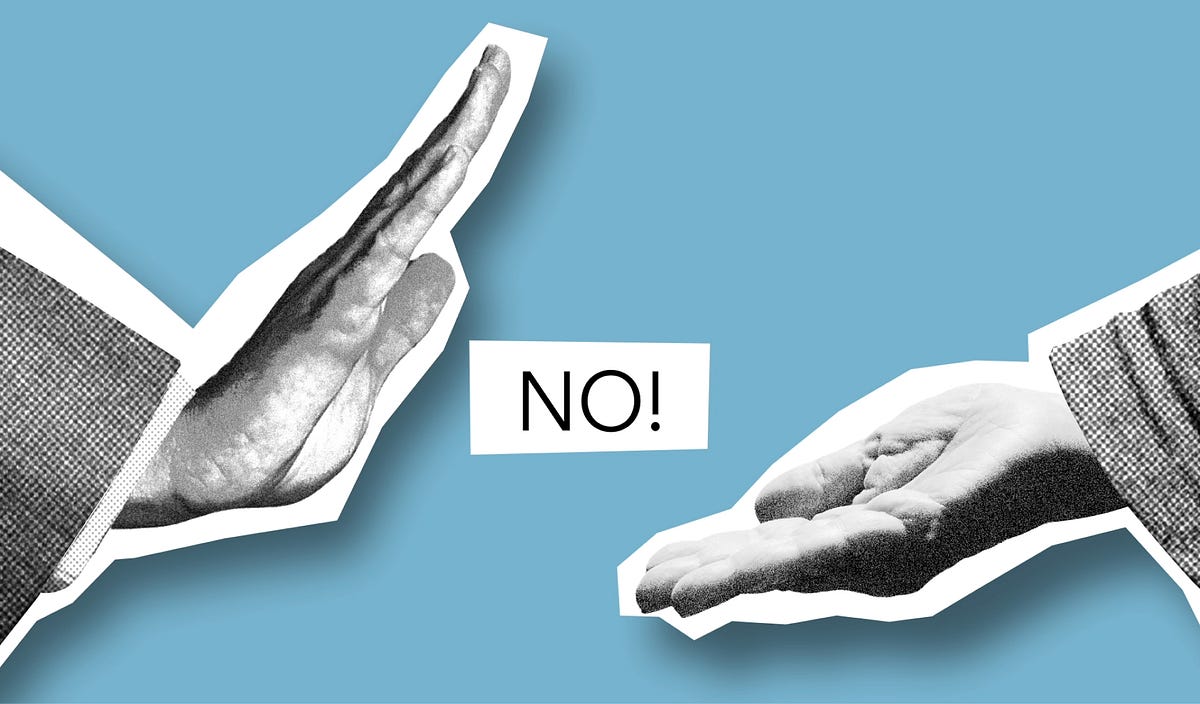
We’ve all been there, you’re asked to help, invited to an event, or offered a new opportunity, and your first instinct is to say “yes”, even if you really want to say “no.” But why is saying no so hard, and what happens when we finally embrace it? Let’s dive in.
Why Saying No Feels So Hard
Saying no can feel like a tiny act of rebellion, but guilt often sneaks in. Why?
- We don’t want to disappoint others – Especially friends, family, or colleagues.
- We fear conflict – A “no” might feel like it could hurt feelings.
- We want to be seen as helpful or likable – Saying yes often feels safer socially.
Here’s the truth: saying no doesn’t make you selfish, it makes you human. Setting boundaries is healthy, and it protects your time, energy, and mental health.
Ways to Change the Habit
Learning to say no is a skill. Here’s how to practice it:
- Pause before answering: Give yourself time to think. Try: “Let me check my schedule and get back to you.”
- Keep it simple: You don’t owe long explanations. “I can’t commit right now, but thanks for asking.”
- Offer alternatives (if you want): Suggest someone else or another time. “I’m tied up today, but maybe next week I can help.”
- Reframe your mindset: No is not rejection—it’s self-care. You’re prioritizing what matters most to you.
Start small. Decline a casual invitation, skip a favour that drains you, or say no to an unnecessary meeting. Each “no” builds confidence.
How Saying No Impacts Mental Health
Constantly saying yes can lead to:
- Burnout – Spreading yourself too thin.
- Resentment – Feeling frustrated for overcommitting.
- Stress and anxiety – Trying to keep everyone happy leaves little room for yourself.
Saying no reduces stress, protects your energy, and gives you the mental space to focus on what truly matters.
Positive Outcomes of Saying No
Once you embrace the power of no, amazing things happen:
- More time for your priorities – Your goals, self-care, or hobbies get the attention they deserve.
- Better relationships – People respect your boundaries and appreciate your honesty.
- Increased confidence – Each no reinforces that your needs matter too.
- More authenticity – You live life on your terms, not just everyone else’s.
Think of no as a superpower, it creates space for yes moments that truly align with your life.
Final Thoughts
Saying no isn’t always easy, but it’s essential for your well-being. The next time guilt creeps in, remind yourself: by saying no, you’re saying yes to yourself. And that’s not selfish—that’s self-love.
Friendly challenge: This week, try saying no at least once, notice how it feels and how much lighter you feel afterward.
If you feel you need some extra support with mental health or know anyone that might, please fill out our online referral form or contact us here:
Email: mhsupport@ncnw.co.uk
Phone: 0151 345 6454

Stories of Impact, Straight to Your Inbox.
Join our newsletter for updates on our work, success stories from our community, and ways you can get involved.