
September 1, 2026
World Alzheimer’s Month: Understanding the Link Between Dementia, Mental Health and Homelessness
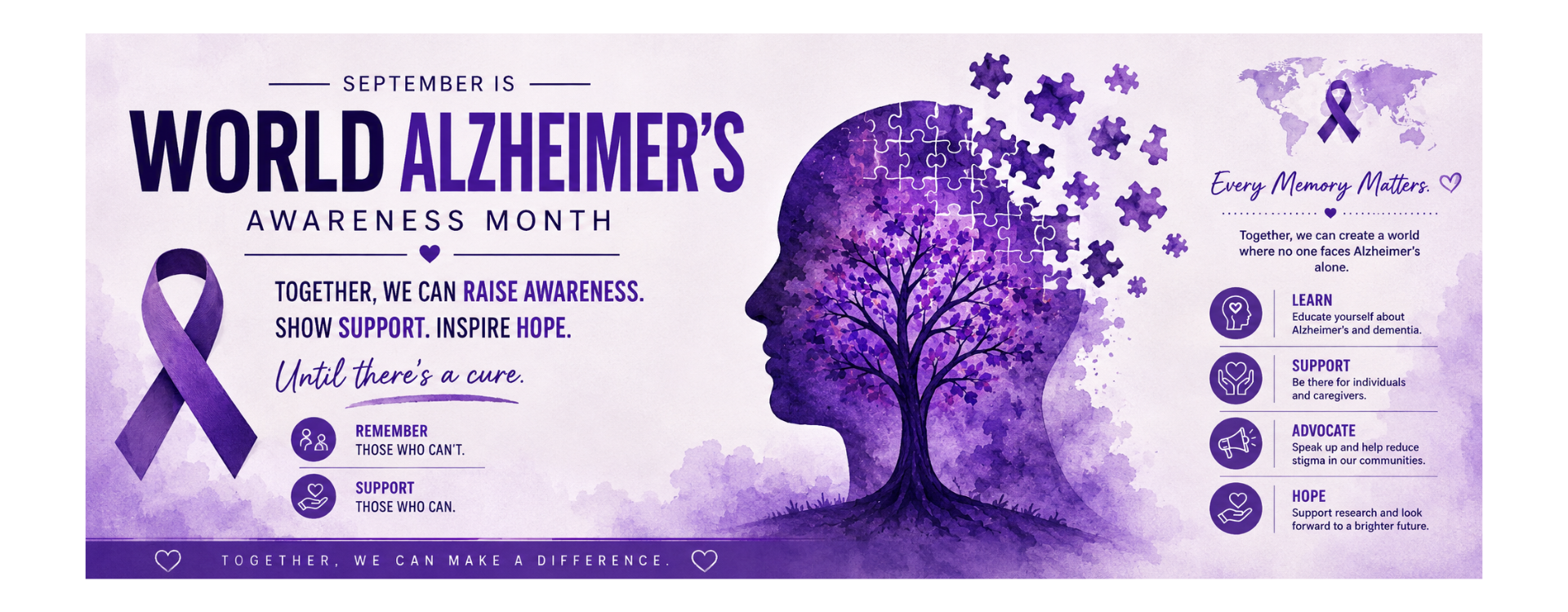
Every September, World Alzheimer’s Month brings people together across the globe to raise awareness of Alzheimer’s disease and other forms of dementia, challenge stigma, and encourage earlier diagnosis and support. The campaign highlights the importance of recognising dementia not only as a medical condition, but also as a social issue that affects families, communities, and some of society’s most vulnerable individuals. [alzint.org], [alzheimers.org.uk]
Dementia: More Than Memory Loss
Dementia is often associated with forgetfulness, but its impact reaches far beyond memory. It can affect thinking, communication, decision-making, behaviour, and the ability to carry out everyday tasks. Alzheimer’s disease remains the most common form of dementia, accounting for an estimated 60-70% of cases worldwide. More than 57 million people are currently living with dementia globally, and that number is expected to continue rising as populations age. [alz.org]
For many people, receiving a dementia diagnosis can be frightening. However, early diagnosis can help individuals and their families access treatment, support services, future planning opportunities, and strategies that improve quality of life. This is why the theme of awareness, recognition, and timely intervention remains so important during World Alzheimer’s Month. [alzint.org], [dementiauk.org]
The Overlooked Connection Between Dementia and Mental Health
Mental health and dementia are closely linked. Depression, anxiety, social isolation, and loneliness can all have a significant impact on cognitive health. Research has shown that depression is associated with an increased risk of developing dementia, while people living with dementia frequently experience depression and anxiety as part of their journey with the condition. [alzheimers.org.uk]
The relationship is often cyclical. Someone experiencing memory difficulties may become anxious, withdrawn, or depressed. At the same time, poor mental health can worsen cognitive symptoms and reduce a person’s ability to remain engaged with family, friends, and their wider community. Social isolation itself is recognised as a risk factor for dementia, highlighting the importance of maintaining strong social connections and supportive networks throughout life. [who.int],
For mental health services, this means recognising that cognitive decline and emotional wellbeing cannot be treated separately. Holistic, person-centred support is essential if individuals are to maintain independence, dignity, and quality of life.
Homelessness: A Hidden Dementia Challenge
One of the least discussed aspects of dementia is its intersection with homelessness.
People experiencing homelessness often face a range of challenges that can increase their risk of cognitive impairment, including poor physical health, mental health difficulties, substance misuse, traumatic brain injuries, and long-term social exclusion. Research suggests that memory problems and cognitive difficulties may occur earlier and more frequently among people experiencing homelessness than in the general population. [thelancet.com]
As homelessness populations age, services are increasingly encountering individuals with symptoms of dementia and other memory-related conditions. Unfortunately, these symptoms can be missed or misinterpreted. Memory loss is sometimes attributed solely to substance use or mental health issues, delaying assessment and access to appropriate care. People experiencing homelessness have reported feeling overlooked, misunderstood, and unable to navigate systems designed to support them. [evidence.nihr.ac.uk], [dementiare…nihr.ac.uk]
Without stable housing, managing appointments, medications, personal care, and daily routines becomes significantly more difficult. For someone living with dementia, homelessness can accelerate vulnerability, increase risks to safety, and create additional barriers to receiving healthcare and support.
Why This Matters for Communities
The connection between dementia, mental health, and homelessness demonstrates the need for joined-up support services. No single organisation can address these challenges alone.
Health services, housing providers, local authorities, mental health teams, homelessness organisations, and community groups all have a role to play in identifying cognitive decline early and ensuring that individuals receive the support they need. This includes:
- Promoting awareness of dementia symptoms among frontline homelessness workers.
- Improving access to mental health support for people at risk of social exclusion.
- Reducing stigma around both dementia and homelessness.
- Creating pathways that connect housing, healthcare, and social care services.
- Recognising the impact of loneliness and social isolation on cognitive health.
By working together, communities can help ensure that people do not fall through the gaps simply because they are experiencing multiple disadvantages at the same time.
A Call to Action This World Alzheimer’s Month
World Alzheimer’s Month is about more than raising awareness. It is an opportunity to reflect on how we support some of the most vulnerable members of society.
Whether someone is living with dementia, struggling with their mental health, experiencing homelessness, or facing all three challenges simultaneously, they deserve compassion, dignity, and access to appropriate support.
This September, let us challenge stigma, encourage conversations about brain health and mental wellbeing, and recognise that everyone has a role to play in creating inclusive communities where nobody is left behind. Early recognition, integrated support, and human connection can make a profound difference, not only for individuals living with dementia, but for families, services, and society as a whole.
If you feel you need some extra support or know anyone who might, please fill out our online referral form or contact us here:
Email: mhsupport@ncnw.co.uk
Phone: 0151 345 6454

Stories of Impact, Straight to Your Inbox.
Join our newsletter for updates on our work, success stories from our community, and ways you can get involved.